Introduction
农历新年, or Lunar New Year, represents a time of renewal, family reunions, and cultural celebrations throughout many Asian countries, particularly in China. As one of the most anticipated festivities globally, it marks the beginning of a new lunar calendar year, bringing with it rich traditions, rituals, and a sense of community. The relevance of 农历新年 extends beyond mere celebrations; it reflects the depth of cultural heritage and the importance of familial bonds.
Significance of 农历新年
The significance of 农历新年 is deeply rooted in ancient customs and beliefs. Traditionally, it is a time for honoring ancestors, ensuring prosperity in the upcoming year, and removing bad fortune from the previous year. Festivities typically begin on New Year’s Eve and last up to 15 days, culminating in the Lantern Festival. Each year is associated with one of the twelve animals of the zodiac, which influences the year’s characteristics and fortunes.
Cultural Practices and Festivities
Celebrations for 农历新年 vary widely between regions but commonly include family gatherings, special meals, and various festivities. People typically clean their homes to sweep away any ill fortune and make way for incoming luck. One of the paramount dishes is the dumpling, shaped like ancient Chinese silver or gold ingots, symbolizing wealth and prosperity. Red envelopes containing money are exchanged among family members, signifying good luck and well-wishes.
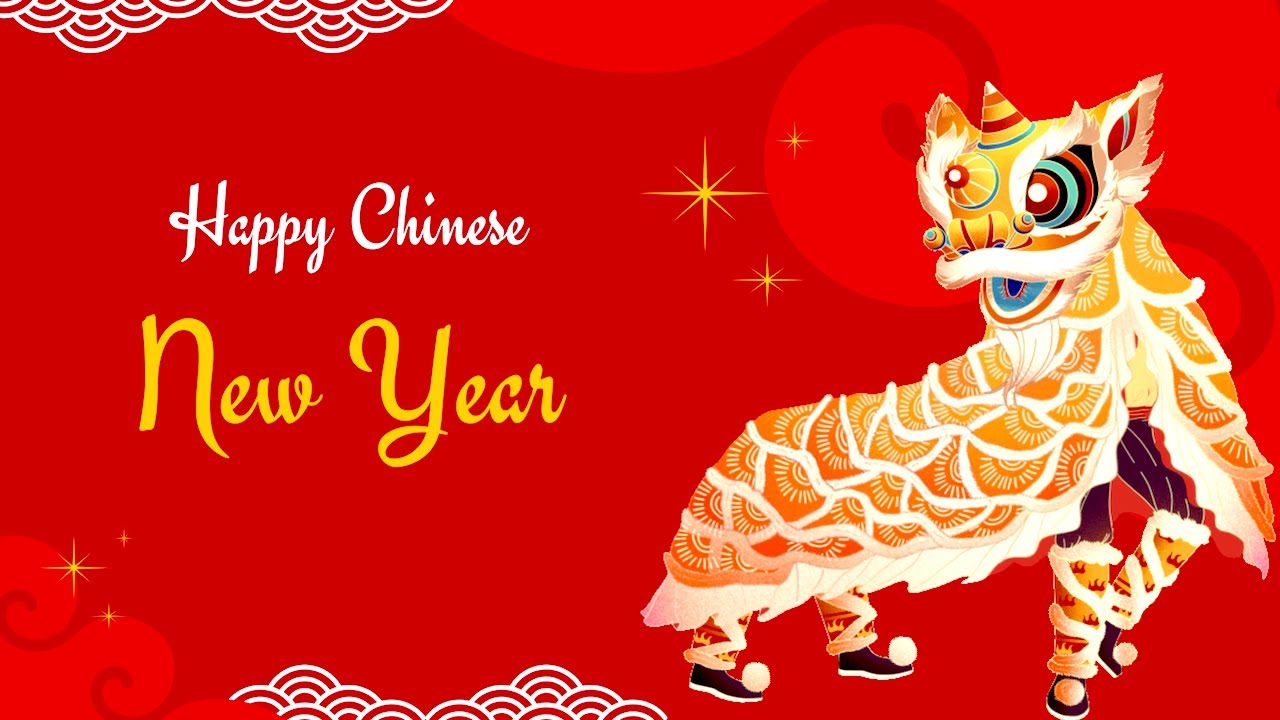
In many cities, grand parades featuring lion and dragon dances, fireworks, and colorful floats are organized to usher in the new year. These events not only entertain but also carry symbolic meanings that promote happiness and good fortune. Additionally, temples are often crowded with people offering prayers and asking for blessings.
Current Events and Celebrations in 2024
In 2024, the celebrations of 农历新年 will occur on February 10, ushering in the Year of the Dragon. Preparations have already begun in various communities as businesses anticipate an increase in demand for traditional foods, decorations, and red envelopes. Across the globe, major cities, such as San Francisco, New York, and Sydney, are gearing up for their vibrant celebrations, recognizing both the cultural significance of the holiday and its positive impact on local economies.
Conclusion
As we approach 农历新年, it serves as a reminder of the values of hope, renewal, and family togetherness. The importance of this festival transcends geographical boundaries, uniting individuals from diverse backgrounds through shared traditions and aspirations. Looking ahead, one can forecast that the celebration will continue to grow in popularity, fostering greater appreciation for cultural diversity and heritage.