Introduction
As the U.S. housing market continues to fluctuate, understanding 30-year mortgage rates remains crucial for potential homebuyers and investors alike. These rates significantly influence affordability and market dynamics, shaping decisions that affect millions across the country. With the ongoing economic changes and inflation concerns, monitoring the trends in 30-year mortgage rates becomes essential for any prospective homeowner or financial planner.
Current Rates and Trends
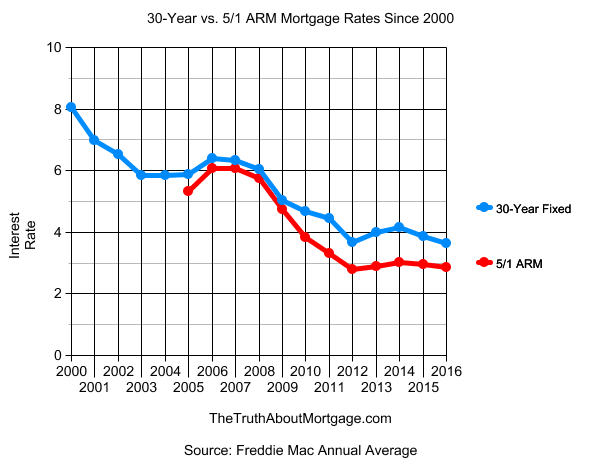
As of late October 2023, the average 30-year mortgage rate hovers around 7.09%, a notable increase from the previous year, where rates stood at approximately 3.43%. This sharp rise can be attributed to the Federal Reserve’s ongoing efforts to combat inflation, which has led to a series of interest rate hikes over the past year. Experts suggest that these elevated rates may persist for the time being, as the Fed continues to evaluate economic indicators and inflation levels.
In recent weeks, the housing market has started to show signs of cooling, with fewer bidding wars and increased inventory as high mortgage rates have deterred some buyers. According to the National Association of Realtors, existing home sales have declined for eight consecutive months, indicating that potential buyers are hesitant to enter the market under current financial conditions.
Impact on Buyers and the Housing Market
The rise in 30-year mortgage rates has substantial implications for buyers. Higher rates increase monthly payments significantly; thus, a home that would have cost $1,500 monthly at a 3% interest rate could now cost around $2,100 at 7%. This discrepancy puts pressure on buyers to either stretch their budgets or consider smaller homes or different locations.
Market analysts predict that unless there is a drastic shift in Federal Reserve policies or a significant drop in inflation, homebuyers may face a challenging environment for the foreseeable future. First-time homebuyers, in particular, are feeling the most significant impact, often unable to compete with cash buyers and those who have already locked in lower rates.
Conclusion: Looking Ahead
In conclusion, 30-year mortgage rates are critical in shaping the current real estate climate and will probably remain a central focus for both buyers and sellers. As October 2023 progresses, it remains essential for individuals interested in purchasing homes to monitor these rates closely, employing financial strategies that account for possible future fluctuations. Financial experts recommend that potential buyers engage with mortgage professionals to better understand their options and the long-term implications of today’s mortgage rates. Adapting to the evolving landscape and being prepared for potential changes can make a significant difference in this challenging market.