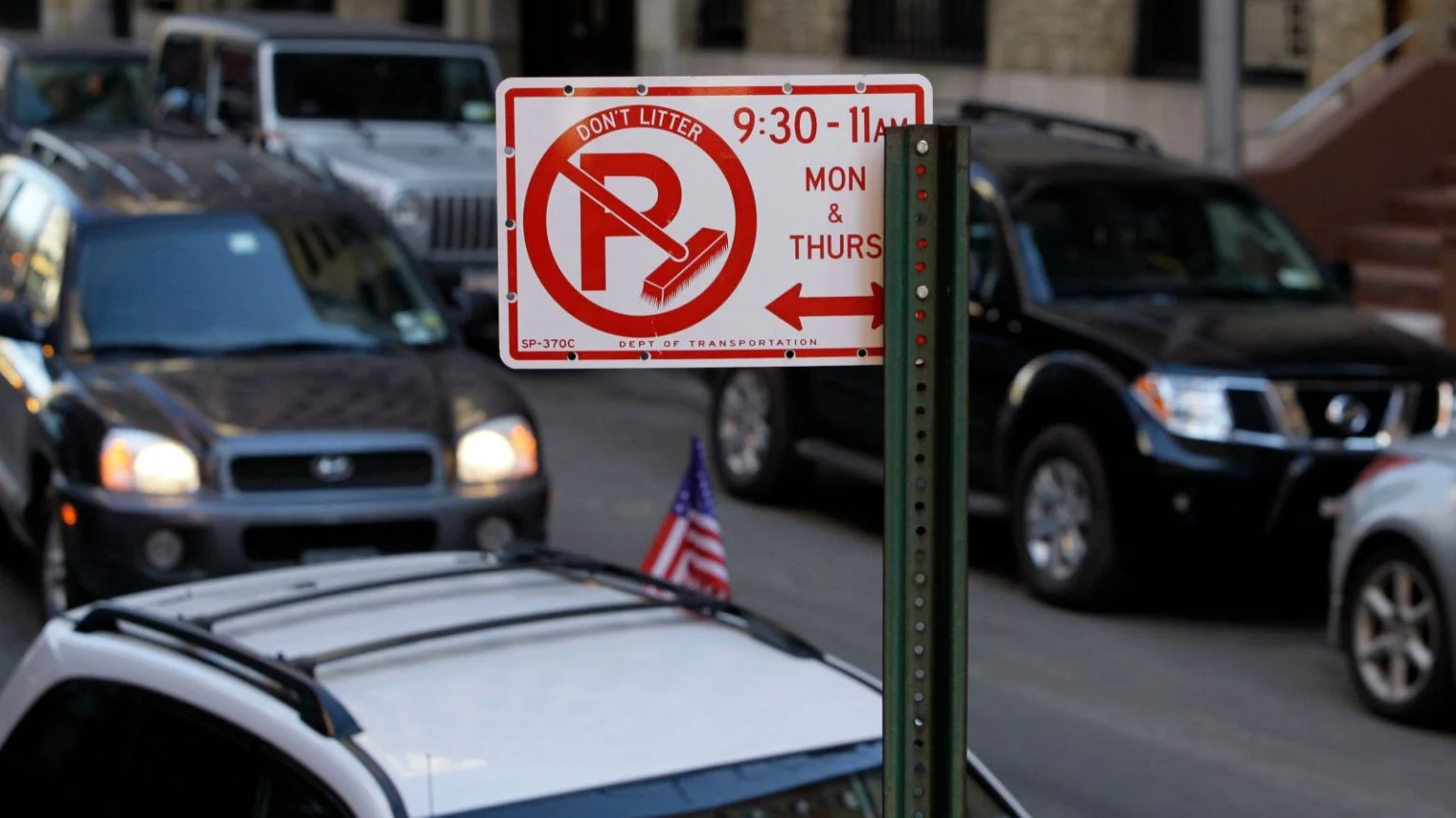
Introduction to Alternate Side Parking in NYC
Alternate side parking (ASP) regulations are a vital part of New York City’s efforts to maintain clean streets and facilitate street cleaning. These rules require vehicles to be moved to allow for sweeping and cleaning, but they can also be a source of frustration for drivers. With recent changes and updates, it’s more important than ever for NYC residents and visitors to understand how these regulations work.
Current Regulations and Changes
As of the latest update in October 2023, alternate side parking is enforced in neighborhoods across the five boroughs, with specific days and times designated for each street. The NYC Department of Transportation (DOT) has made efforts to improve compliance rates and reduce the burden on drivers by increasing communication about ASP rules. For instance, signs are being replaced and updated to clearly indicate ASP schedules. Additionally, the city has implemented a system to notify drivers of upcoming ASP days via text alerts.
Impact and Importance
Alternate side parking plays a critical role in urban sanitation efforts. By allowing the city’s sanitation department to wash the streets, ASP helps to reduce pollution, improve public health, and maintain the aesthetics of New York neighborhoods. According to the NYC DOT, effective street cleaning contributes significantly to overall quality of life in dense urban settings. However, the ASP schedule can lead to parking challenges and fines for vehicle owners unaware of the rules.
Enforcement and Fines
The enforcement of these regulations is strict, with fines reaching up to $65 for noncompliance. The NYC Parking Violations Bureau has ramped up patrols and the introduction of parking enforcement technology has streamlined the ticketing process. Drivers are encouraged to familiarize themselves with local ASP rules, which can vary by block, to avoid penalties. Community boards and local newspapers provide ongoing updates to assist residents.
Conclusion and Future Insights
As New York City continues to evolve, the management of public space and parking will remain a vital component of urban planning. Keeping up with alternates side parking regulations will not only help to avoid unnecessary fines but will also support the city’s ongoing cleanliness initiatives. For residents, utilizing mobile applications that track ASP schedules and alerts can alleviate some of the stress. Stakeholders in the community are encouraged to participate in discussions regarding parking policies, shaping the future of urban mobility in NYC.