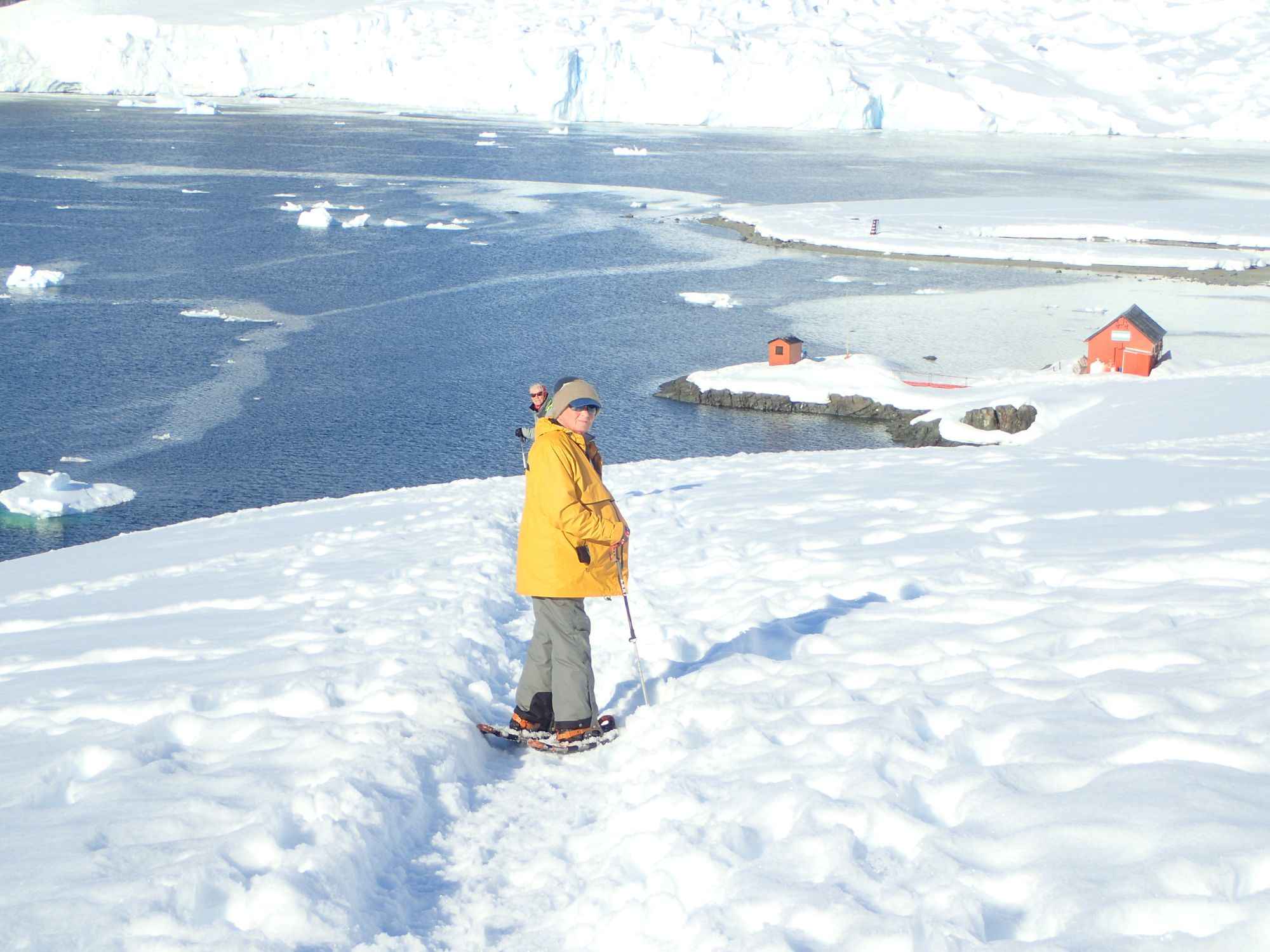
Introduction to Antarctica Weather
Antarctica, the coldest and windiest continent, plays a crucial role in the Earth’s climate system. The study of its weather is vital not only for understanding local conditions but also for addressing global climate change. Recently, there have been accelerating changes in Antarctica’s weather patterns, drawing attention from scientists and policymakers worldwide.
Current Weather Patterns
As of 2023, research shows that Antarctica’s temperatures are rising at an alarming rate. According to the National Snow and Ice Data Center, the average temperature in parts of Antarctica has increased by 3°C over the past 30 years. This escalation has resulted in increased melting of ice sheets, raising sea levels globally. For instance, recent reports indicate that the Thwaites Glacier, a significant ice mass in West Antarctica, is retreating rapidly due to warmer ocean waters.
Effects of Weather Changes
The warming trend in Antarctica does not only affect the continent itself but has far-reaching consequences on global weather patterns. Changes in circulation patterns can influence temperatures and precipitation across the Southern Hemisphere, affecting agriculture and ecosystems. Furthermore, the alteration of marine habitats has been observed, compelling species such as krill to shift their habitats, thus impacting the food web.
Research and Monitoring Efforts
Scientists are intensifying their studies to monitor Antarctica’s weather changes and their implications. For instance, the International Polar Year program has been pivotal in facilitating extensive research and collaboration among nations. Satellite technology and ground monitoring systems are now essential tools for tracking temperature shifts and understanding their impact on the climate.
Conclusion and Future Forecasts
The weather in Antarctica significantly informs our understanding of climate change, and as such, ongoing research is imperative. The forecast suggests that if the current trend continues, we may see even more unpredictable weather patterns across the globe, along with further ice melt contributing to elevated sea levels. The findings highlight the importance of sustained scientific research and collaborative efforts to mitigate climate change and prepare for its impacts effectively.