Introduction
Coastal flood advisories have become increasingly important as climate change continues to affect weather patterns significantly. These advisories aim to inform residents living in coastal regions about potential flooding caused by high tides, strong winds, or severe weather events. Understanding these advisories not only helps in personal safety but also in community preparedness, making it a relevant topic, especially as hurricane season approaches.
What is a Coastal Flood Advisory?
A coastal flood advisory is a notification issued by weather authorities when conditions are favorable for coastal flooding. These conditions can result from various factors, including storm surges, heavy rainfall, or meteorological tides. The National Weather Service (NWS) often disseminates these advisories through various channels like radio, television, and online platforms to ensure that the population at risk is adequately warned.
Recent Developments
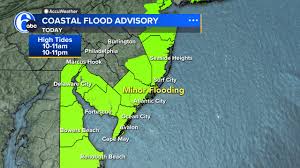
Recently, several regions across the United States have been placed under coastal flood advisories due to a combination of factors. In early October 2023, the NWS issued advisories for parts of the East Coast from Virginia to Maine, predicting elevated water levels stemming from a late-season storm. In these areas, heavy rain coupled with high tides has led local authorities to prepare for potential flooding incidents.
Communities in these areas are urged to pay attention to alerts and to have emergency kits prepared. Local governments are also advising residents to avoid low-lying areas that are prone to flooding and to find safer accommodations where necessary.
Impact on Communities
The implications of coastal flood advisories extend beyond immediate weather conditions. They often affect traffic, transportation, and local economies. Businesses may suffer interruptions, and tourism could decline during the advisory period, impacting community revenue. Furthermore, prolonged exposure to flooding can damage infrastructure, necessitating costly repairs and recovery efforts.
Conclusion
As climate patterns continue to evolve and severe weather events become more frequent, the importance of understanding and adhering to coastal flood advisories will only grow. Government agencies, local communities, and residents need to work together to develop comprehensive emergency plans that address these risks. Looking forward, investing in infrastructure improvements and community education will be vital for minimizing the impact of coastal flooding and ensuring the safety of those living in affected areas.