Introduction
Columbus Day, celebrated on the second Monday of October, is a federal holiday in the United States, commemorating Christopher Columbus’s first voyage to the Americas in 1492. As we approach Columbus Day 2025, its relevance continues to spark debates about historical narratives and cultural representation. This holiday, recognized on October 13, 2025, presents an opportunity to reflect on both the legacy of Columbus and the contemporary attitudes toward indigenous peoples and their histories.
Main Body
Columbus Day has a complex legacy in American history. Initially celebrated as a day honoring the discoverer of America, it has increasingly become a focal point for discussions about colonialism and its impacts on Native American populations. In 1937, Columbus Day was declared a national holiday, but its observance has shifted dramatically over the decades. Many states and cities now recognize it as Indigenous Peoples’ Day, a day to honor the history and contributions of Indigenous communities.
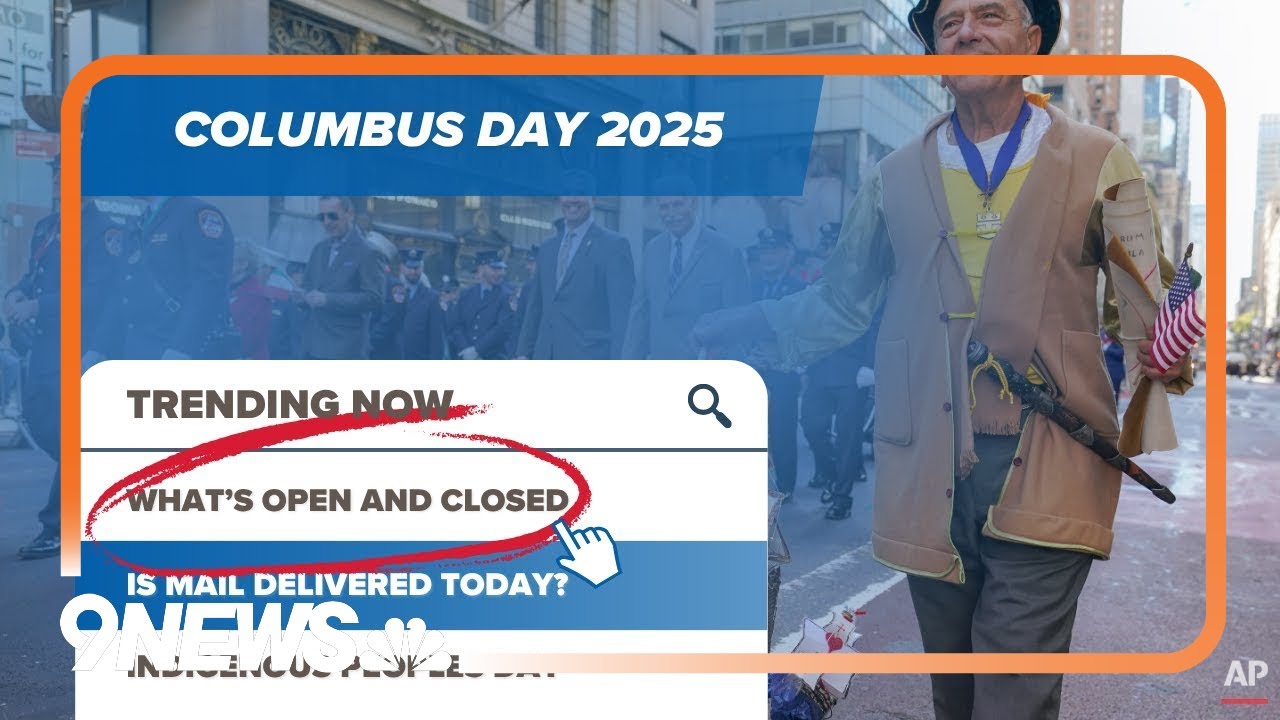
In 2025, various events will be held across the country, each reflecting the dual nature of the holiday. Parades, historical reenactments, and educational programs will take place in cities like New York, Los Angeles, and Chicago, which traditionally celebrate Columbus Day. Concurrently, numerous rallies and community gatherings will advocate for recognition of Indigenous Peoples’ Day, emphasizing education about Native American history and rights.
According to the National Museum of the American Indian, there is an increasing trend toward recognizing the significant impacts of colonization on Indigenous lives, with more institutions adopting Indigenous Peoples’ Day as a way to foster inclusivity and healing. The shift reflects a broader cultural change aimed at reassessing historical figures and their legacies.
Conclusion
As we approach Columbus Day 2025, the ongoing dialogue surrounding the holiday is more important than ever. The coexistence of celebrations and protests highlights the need for a nuanced understanding of history. This year’s observances will likely encourage more communities to engage with their local histories and consider the narratives that shape their identities. Columbus Day 2025 serves as a reminder that history is complex and multifaceted, warranting both recognition of past achievements and acknowledgment of the harm they may have caused. As society continues to evolve, so too will our observance of this day, inviting all Americans to participate in meaningful conversations about our shared history.