Introduction
Gold has historically been a safe-haven asset, and its price movements are closely monitored by investors and analysts around the world. Recent fluctuations in gold prices have reignited interest due to global economic uncertainty, heightened inflation rates, and geopolitical tensions. Understanding the factors affecting gold prices is essential for investors considering the metal as part of their portfolio.
Current Trends in Gold Prices
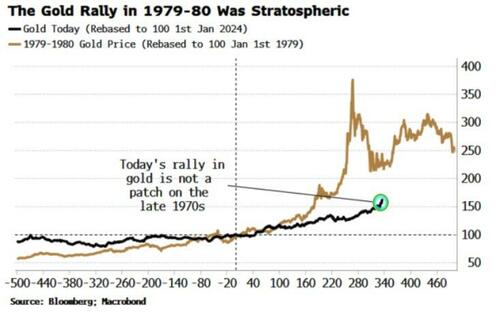
As of October 2023, gold prices have experienced notable volatility. The price per ounce is hovering around $1,950, a slight decrease from earlier in the year when it peaked at $2,050. Factors influencing this decline include rising interest rates from central banks and a strengthening U.S. dollar, both of which typically result in lower demand for gold. Furthermore, recent economic data indicating a potential slowdown in growth has also affected investors’ sentiment.
Key Factors Influencing Gold Prices
Several key factors are influencing gold prices:
- Inflation Rates: Persistent inflation has historically led investors to gold as a hedge. Despite recent reports showing a decrease in inflationary pressures, the concern over long-term inflation continues to keep gold in focus.
- Geopolitical Tensions: Increased tensions in regions such as Eastern Europe and the Middle East have led to greater demand for gold as a form of protection against uncertainty.
- Central Bank Policies: Interest rate hikes by the Federal Reserve and other major central banks directly affect gold prices, as higher rates tend to strengthen the dollar and lower the attractiveness of non-yielding assets like gold.
Market Predictions
Market analysts predict that gold prices may stabilize or even rebound toward the end of the year, especially if economic conditions worsen or if inflation remains stubbornly high. Analysts at Bloomberg forecast a potential increase in gold prices as the balance of risks shifts back towards uncertainty.
Conclusion
For investors, tracking the trends in gold prices is crucial, especially in the current economic climate marked by volatility and uncertainty. With numerous external factors at play, including inflation rates and geopolitical developments, the future of gold prices remains uncertain. However, many experts still view gold as a pivotal asset for safeguarding wealth against economic downturns. Moving forward, investors should stay informed about market dynamics and consider the implications for their investment strategies.