Introduction to DACA Applications
Deferred Action for Childhood Arrivals (DACA) is a program initiated in 2012 during the Obama administration, aimed at protecting undocumented immigrants who arrived in the U.S. as children. With nearly 800,000 individuals benefiting from DACA, understanding the current status and complexities surrounding DACA applications is critical, especially as the political climate and court decisions continue to affect its future.
The Current State of DACA
As of late 2023, the fate of DACA has been in limbo due to various legal challenges. The program was previously halted by the Fifth Circuit Court of Appeals in July 2021, preventing any new applications from being processed. However, recipients of DACA are still able to renew their permits. Reports indicate that despite ongoing legal battles, the Biden administration is committed to preserving the program and is exploring legislative solutions. This includes efforts to create a pathway to citizenship for Dreamers, the term often used to describe DACA recipients.
The Application Process
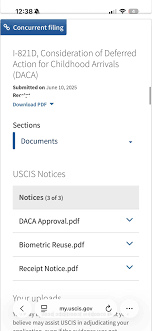
For eligible individuals, applying for DACA involves several steps. Applicants must meet specific criteria, including being under the age of 31, arriving in the U.S. before the age of 16, and having no felony convictions. The application process includes submitting an application form, as well as documentation that verifies identity, residency, and educational status. Once submitted, applications are reviewed, and, if approved, applicants receive work authorization for two years, which may be renewed.
Impact on Recipients
DACA has allowed millions of immigrants to pursue educational and employment opportunities that would otherwise be inaccessible. Numerous studies indicate that DACA recipients contribute significantly to the U.S. economy. A report from the Center for American Progress states that they add $42 billion to the U.S. economy annually. The program not only aids individuals but is also beneficial for the communities and industries that employ DACA recipients.
Conclusion and Future Outlook
The future of DACA applications remains uncertain, yet the demand for a permanent solution for Dreamers is more pressing than ever. With advocacy groups pushing for comprehensive immigration reform and a pathway to citizenship, it is anticipated that legislative moves may soon emerge, particularly as the 2024 presidential election approaches. For many DACA recipients, their humanitarian and economic contributions to the U.S. highlight the need for lasting protections. Understanding the DACA application process and its significance is crucial as conversations about immigration reform continue to evolve.