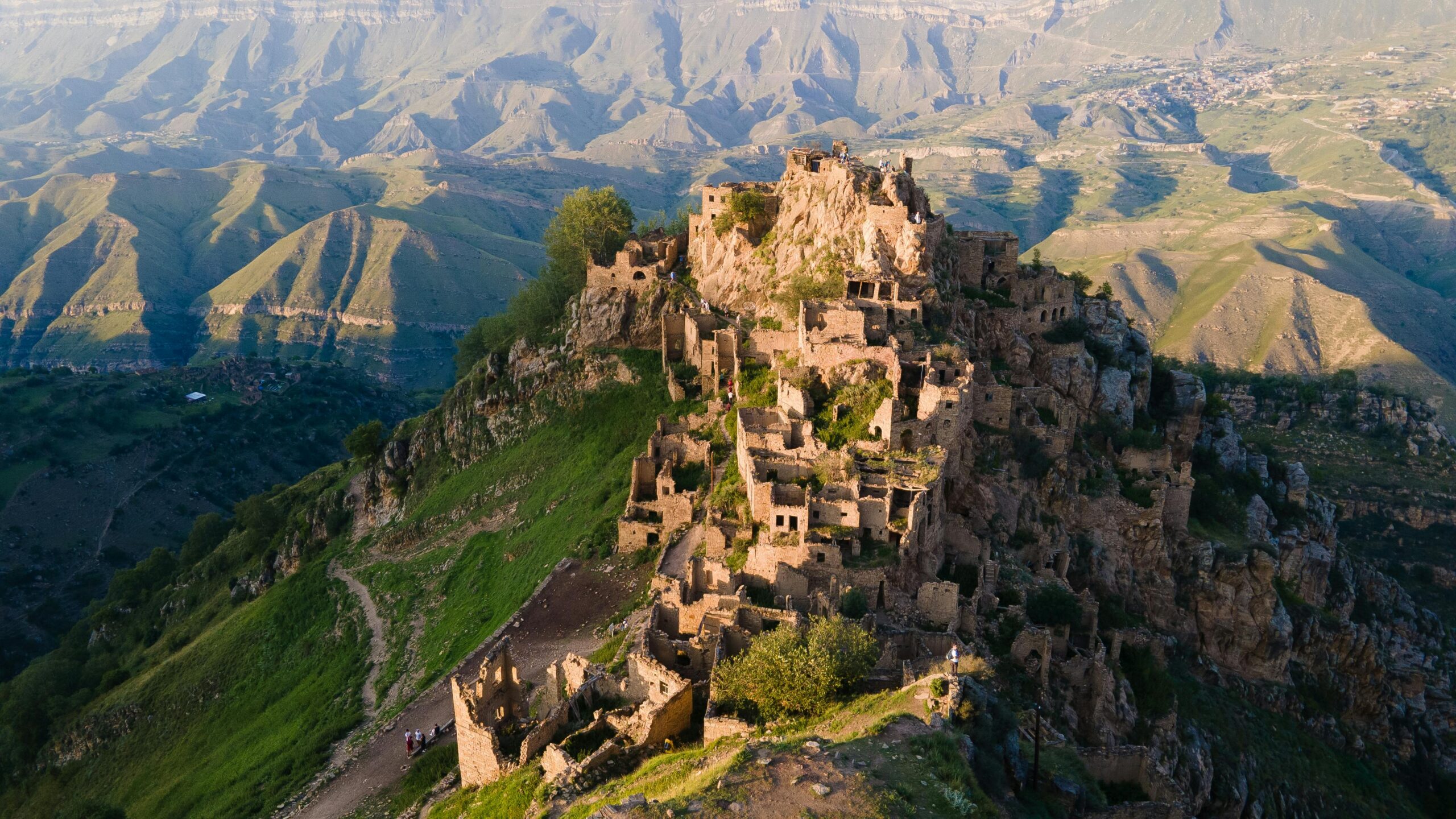
Introduction to Dagestan
Dagestan, a republic within the Russian Federation, is located in the North Caucasus region, bordered by the Caspian Sea to the east and rich mountain ranges to the west. This region offers a unique blend of cultural diversity, stunning landscapes, and a complex geopolitical significance. Recent years have seen Dagestan gain attention not just for its breathtaking natural beauty but also for its strategic importance amid historical conflicts and current global affairs.
Geographic and Cultural Significance
With over 30 ethnic groups inhabiting its territory, Dagestan is one of the most ethnically diverse regions in the world. The largest group is the Avar, followed by various other groups such as the Dargin, Kumyk, and Lezgian, each with its own language, traditions, and customs. This diversity has resulted in a rich tapestry of cultures, arts, and cuisines that attract researchers and tourists alike. The Dagestani people are known for their hospitality, traditional music, and unique crafts, offering travelers a unique insight into their vibrant lifestyle.
Current Events and Developments
In recent months, Dagestan has come into the spotlight due to various socio-political developments. The region has been engaged in efforts to boost tourism and economic development following a history marked by instability and violence. Local authorities have launched initiatives to showcase Dagestan’s natural beauty, with plans for improved infrastructure, including roads and visitor centers to facilitate tourism. These efforts have been bolstered by the Russian government’s interest in promoting the North Caucasus as a tourist destination.
Moreover, the geopolitical significance of Dagestan remains pertinent amid ongoing conflicts in surrounding regions. As a part of a larger discussion regarding stability and security in the Caucasus, Dagestan’s role as a cultural and political enclave cannot be overlooked. The region serves as a meeting point of various cultural influences, making it a volatile but vital part of the Caucasian landscape.
Conclusion and Future Implications
As Dagestan continues to evolve, its importance in regional geopolitics and cultural heritage is likely to grow. The commitment to enhance tourism could lead to economic benefits, but it must be balanced with the need for stability and security for its diverse population. For readers interested in travel, history, or geopolitics, Dagestan offers an intriguing case study of resilience, richness, and potential. As it navigates its path forward, the world will be watching how Dagestan reconciles its unique identity with the pressures of modernity.