Introduction
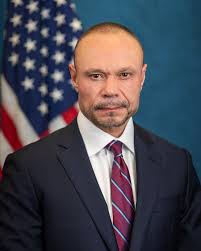
Dan Bongino has become a significant figure in the American media landscape, particularly among conservative audiences. His ability to articulate and broadcast a strong conservative viewpoint has earned him a place among the most recognized political commentators today. With a background as a former Secret Service agent and police officer, Bongino brings a unique perspective to political commentary.
Career Highlights
Bongino began his career in public service before transitioning into politics and media. He served as a police officer in New York City and then joined the Secret Service, where he gained valuable experience in high-stress situations. This foundation has contributed to his credibility as a commentator.
His media journey took a significant turn when he launched his podcast, The Dan Bongino Show, in 2015. It quickly gained traction, with Bongino discussing topics ranging from national security to controversial political figures. His podcast is known for its unapologetic conservative stance, making it popular among listeners seeking an alternative to mainstream media narratives.
Current Events and Influence
Recently, Bongino’s influence has grown even more as he has been vocal about issues like government overreach and free speech. His comments on social media platforms often spark debate and engage thousands of followers. In the context of the 2024 presidential election, Bongino’s viewpoints may shape conservative discourse, as he often highlights issues that resonate deeply with his audience.
In addition to his podcast, Bongino is a frequent guest on various television networks, where he offers insights on current political climates and controversies. His ability to simplify complex issues and present them with a compelling narrative has set him apart in the crowded media space.
Conclusion
As the political landscape in America continues to shift, Dan Bongino remains a pivotal voice for conservatives. His ability to engage with current issues while providing a platform for right-leaning discussions is significant. For readers interested in understanding modern conservatism and its communication strategies, following Bongino’s work offers valuable insights into the mindset and concerns of his audience. As he continues to expand his reach, Bongino’s influence on contemporary political discourse will likely increase, defining not just his career, but potentially impacting wider conservative movements in the United States.