Introduction to Davos
Davos, a small town nestled in the Swiss Alps, is internationally recognized as a hub for business, politics, and social issues. Its relevance surged when it became the host of the World Economic Forum (WEF), an annual meeting that gathers global leaders from different sectors to discuss pressing economic issues and collaborative solutions. The town’s picturesque scenery stands in stark contrast to the serious discussions held within its conference halls, illustrating the blend of work and leisure that defines this unique event.
The World Economic Forum
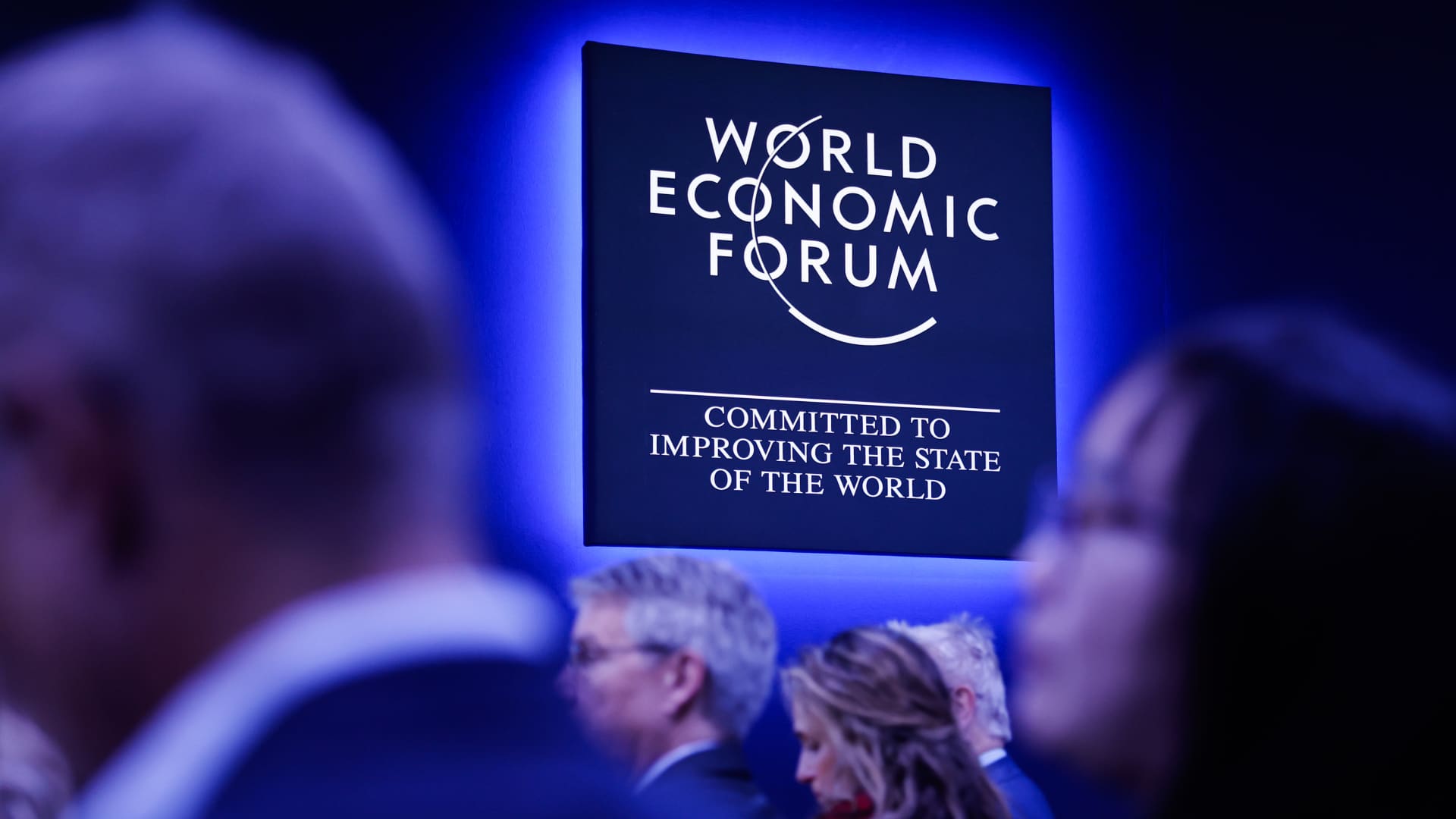
The WEF, founded in 1971 by Klaus Schwab, brings together heads of state, CEOs, and influential figures from academia and civil society. Each year, thousands of participants descend upon Davos to share insights and propose initiatives aimed at improving the state of the world. The 2023 event, held in January, attracted over 2,700 attendees, focusing on pivotal themes such as climate change, economic recovery post-COVID-19, and technology’s impact on society.
Key Discussions and Events
This year’s agenda included panels addressing global economic resilience, sustainable development, and the geopolitical landscape. High-profile attendees such as U.S. Treasury Secretary Janet Yellen and German Chancellor Olaf Scholz brought a governmental perspective to various discussions on how to tackle inflation and energy crises threatening the global economy.
Furthermore, emerging trends like artificial intelligence and the digital transformation of economies were hot topics at this year’s summit, emphasizing the role of innovation in shaping future policies. Networking opportunities and workshops allowed participants to explore partnerships that could foster collaborative approaches to global challenges.
Significance for Readers
The discussions and decisions made in Davos resonate far beyond the confines of the exclusive meeting spaces. They often set the stage for global policies and initiatives that affect people’s everyday lives, from economic policies that affect job markets to climate agreements that impact environmental sustainability.
This annual gathering reminds us of the interconnectedness of our global society and the necessity for cooperation across borders to address complex challenges. As the world continues to grapple with issues such as climate change and economic disparity, the conversations held in Davos may well dictate the pathways toward a prosperous and sustainable future.
Conclusion
In conclusion, understanding what Davos represents is crucial for anyone interested in global affairs. The annual WEF summit not only facilitates insightful discussions but also catalyzes actions that could lead to transformative changes worldwide. As 2024 approaches, many are eager to see how the outcomes from Davos will unfold and influence a rapidly evolving global landscape.