Introduction
Daylight Savings Time (DST) is a practice of moving clocks forward by one hour during the warmer months, with the intention of extending evening daylight. This semi-annual clock adjustment has been a topic of debate since its establishment. As the United States transitions to and from DST each year, understanding its implications becomes crucial for individuals, businesses, and policymakers. As of 2023, the relevance of DST is reaffirmed through its potential impacts on energy savings, mental health, and weekday productivity.
History and Implementation
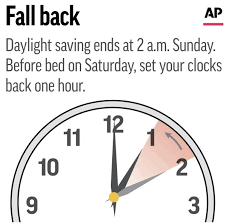
Originally proposed by Benjamin Franklin in 1784, the modern concept of DST was first implemented during World War I to save fuel. It was permanently adopted in the U.S. in 1966 with the Uniform Time Act, which standardized the start and end dates for the spring and fall transitions. In 2023, DST begins on the second Sunday in March and ends on the first Sunday in November, creating longer daylight hours in the evening throughout the spring and summer.
Energy Consumption and Economic Impact
One of the primary arguments for DST is its potential to reduce energy consumption. Studies indicate that longer daylight hours can lead consumers to use less electricity for lighting and heating. According to a report by the U.S. Department of Energy, DST saves about 0.5% of electricity, a significant amount when multiplied over the months it is in effect. Moreover, additional daylight encourages people to engage in outdoor activities, which can benefit local economies.
Health and Productivity
The switch to DST can have various health effects. Research shows that the adjustment period can lead to sleep disruption and impacts on mental health, like increased rates of depression or anxiety in some individuals. Additionally, there is evidence suggesting an increase in traffic accidents immediately after the time change due to sleep deprivation. On the other hand, some studies indicate that the extra evening light promotes physical activity, leading to improved overall health and workplace productivity.
Conclusion
As society continues to adapt to fast-paced changes in technology and lifestyle, the relevance of Daylight Savings Time is being reevaluated. Various states and regions are debating whether to abolish the time change altogether due to its mixed effects on health and economics. While some report significant benefits in energy savings and evening leisure time, others argue for the negative consequences of the time switch. Going forward, the discussion regarding DST will play a substantial role in shaping future timekeeping policies and their impacts on our lives.