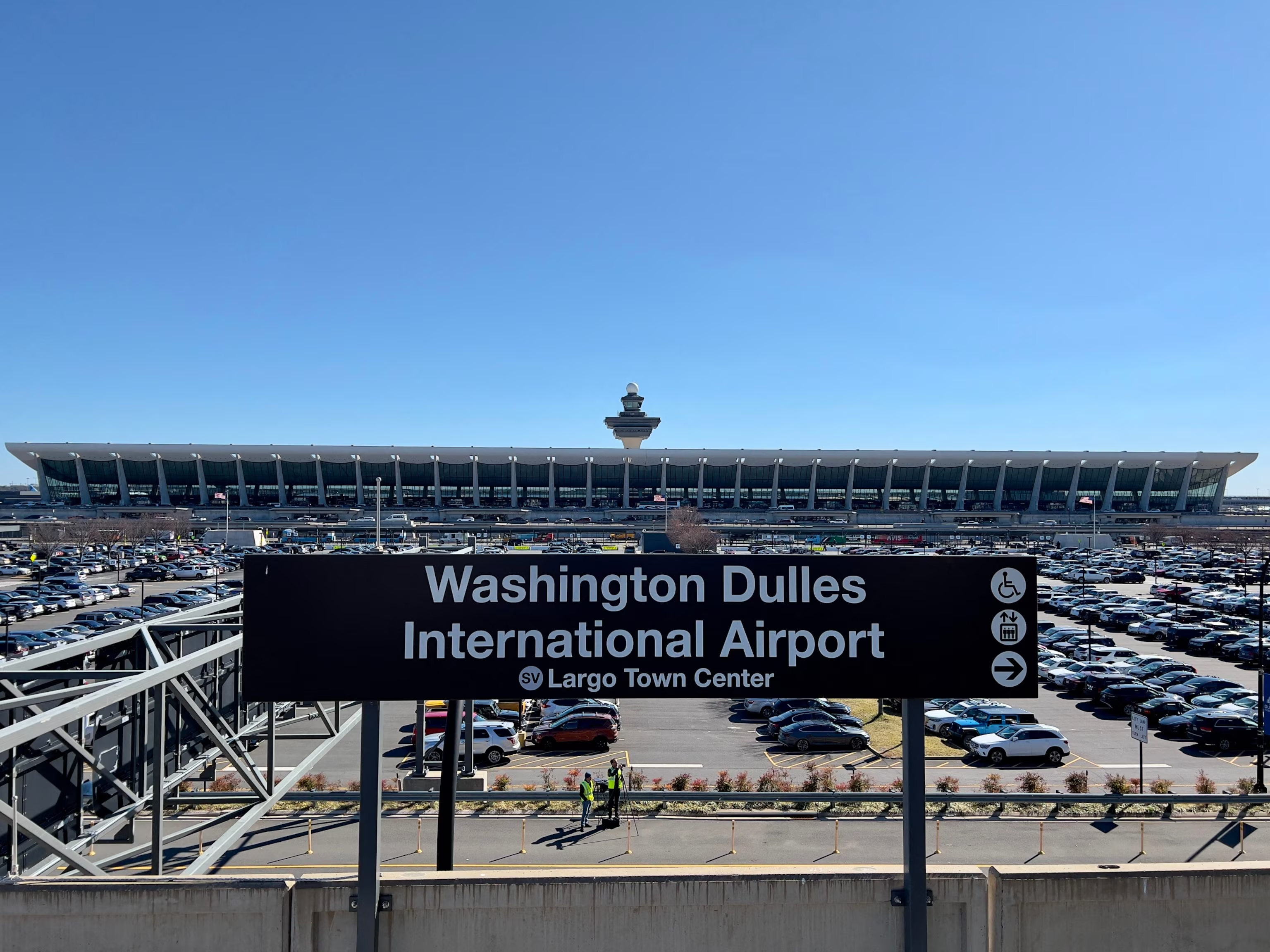
Introduction to Dulles Airport
Dulles International Airport (IAD), located in Virginia, is a critical hub for both domestic and international travelers. Opened in 1962, Dulles is named after John Foster Dulles, who served as Secretary of State under President Eisenhower. As one of the primary airports serving the Washington, D.C. metropolitan area, it plays a vital role in the U.S. aviation system and has a significant impact on the local economy.
Recent Developments at Dulles Airport
In recent months, Dulles Airport has been making headlines due to a series of infrastructural updates and expansions aimed at enhancing passenger experience and increasing capacity. Following a 2022 report highlighting the need for modern amenities, the airport has initiated a multi-million dollar renovation project to improve terminal facilities and add additional gates.
The renovation, which is expected to be completed by mid-2024, includes expanding the main terminal, upgrading technology systems for smoother travel, and enhancing dining options to include a wider variety of restaurants. These improvements are part of a long-term vision for Dulles to accommodate the growing number of travelers—over 24 million passengers in 2019 before the pandemic—while boosting its capability to handle international flights.
Economic Importance and Future Outlook
Dulles Airport is not only a gateway for international travel but also a critical driver of economic growth for the surrounding region. According to the Metropolitan Washington Airports Authority, IAD contributes approximately $6.3 billion annually to the local economy, supporting jobs in various sectors including hospitality, retail, and transportation.
As we move forward, the airport’s efforts to enhance its infrastructure are being closely monitored by industry experts as we continue to recover from the impacts of the COVID-19 pandemic. With increasing traveler enthusiasm for international travel returning, forecasts indicate that passenger numbers at Dulles could rise significantly, making the airport even more crucial in connecting the capital region to global destinations.
Conclusion
The ongoing developments at Dulles Airport signal a proactive approach to accommodating future demands of air travel. With its strategic location and extensive network of flights, IAD is set to maintain its status as a vital hub in aviation. As travelers prepare to flock back to flights, the enhancements being made at Dulles promise to create a smoother and more enjoyable travel experience for all.