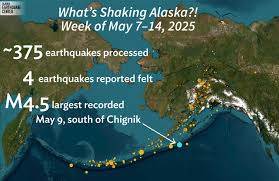
The Importance of Monitoring Earthquakes
Earthquakes are a natural phenomenon that can have devastating effects on infrastructure, communities, and ecosystems. Keeping track of seismic activity is crucial not only for disaster preparedness and response but also to enhance our understanding of geological processes. Today, as technology and data collection methods improve, the ability to monitor and analyze seismic activity is more sophisticated than ever.
Recent Earthquake Events
This week, the United States Geological Survey (USGS) reported several significant earthquakes around the globe. On October 31, a magnitude 6.2 earthquake struck near the northeastern coast of Japan, prompting tsunami warnings in the surrounding areas. Fortunately, the warnings were lifted shortly after as the tsunami threat diminished. Japan is no stranger to seismic activity, making such events a regular occurrence in their disaster preparedness routines.
In California, a magnitude 4.5 earthquake shook parts of Southern California late last night. The temblor was felt in cities as far as Los Angeles, but fortunately, no significant damage or injuries were reported. Local authorities are urging residents to review emergency plans as seismic activity can be unpredictable.
Meanwhile, in Turkey, a series of smaller earthquakes has been reported following a 7.0 magnitude quake that struck earlier last month. These aftershocks, while less powerful, serve as a reminder of the tectonic activity in the region, and residents have been advised to stay vigilant.
Implications of Earthquakes
Earthquakes today continue to serve as a powerful reminder of nature’s unpredictability. The damage caused by earthquakes can extend beyond physical destruction; the emotional and psychological impacts on affected populations can be profound. Regions that experience frequent seismic events often implement rigorous building codes and emergency preparedness practices to minimize risks. Education plays a key role in ensuring that communities are ready to respond effectively.
Conclusion and Future Outlook
As earthquakes today demonstrate, monitoring seismic activity is crucial for public safety and preparedness. The application of technology such as early warning systems and real-time data analysis has enhanced our ability to respond to these natural disasters. Moving forward, continued research and development in seismology and community preparedness will be vital. Everyone should familiarize themselves with earthquake safety protocols to ensure readiness in the face of potential seismic events.