Introduction
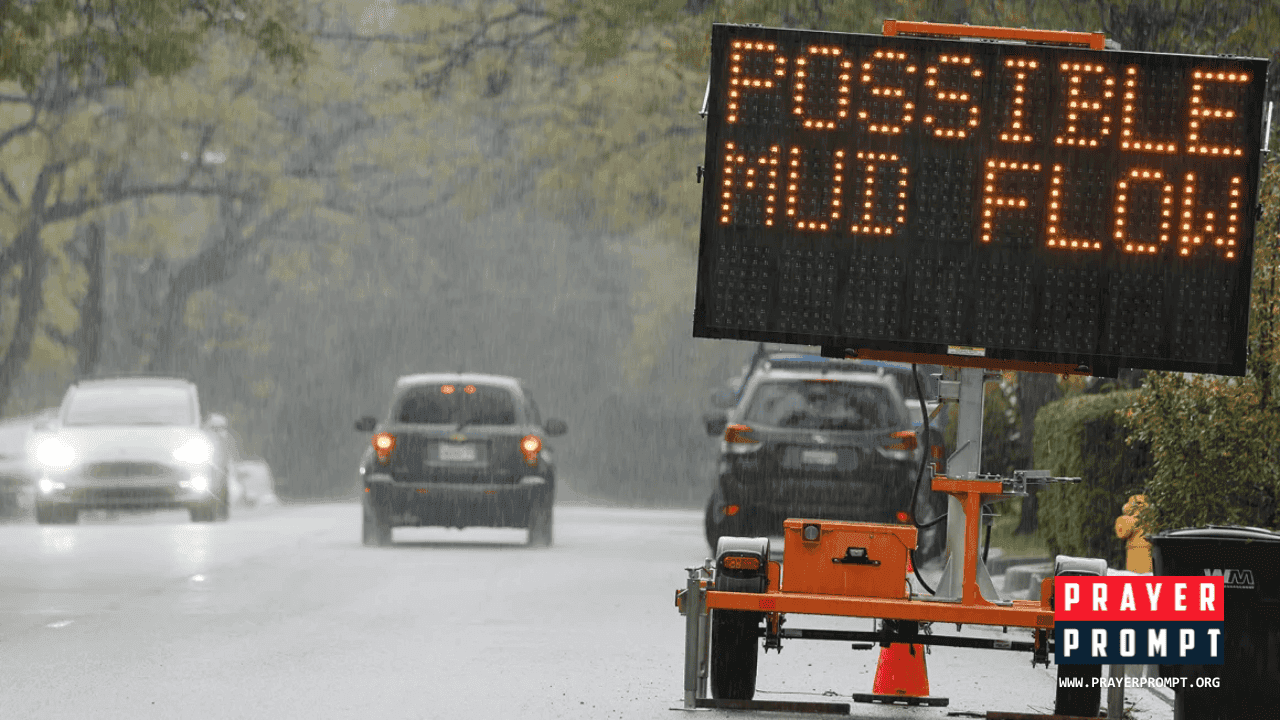
Flash flood warnings are critical alerts issued by meteorological agencies to notify the public about impending flooding conditions. These warnings are vital as they can save lives and prevent property damage, particularly in areas prone to heavy rain and flash floods. With climate change contributing to more frequent and intense weather events, understanding and heeding these warnings is increasingly important.
Current Situation
As of October 2023, several regions across the United States are under flash flood warnings due to unusually heavy rainfall. The National Weather Service (NWS) has issued alerts for parts of the Southeast, including Alabama and Mississippi, where localized storms have led to rapid water rise in urban areas. Reports have indicated that some areas have received over three inches of rain within an hour, prompting concerns over sudden flash flooding.
Impact and Response
These flash floods can lead to significant disruptions, including road closures, evacuation orders, and even rescues as waters rise. For instance, in Mississippi, emergency services are on high alert, assisting residents in vulnerable regions. Local governments have activated emergency response plans and are urging residents to stay informed through news outlets and official channels like the NWS.
Staying Informed
As storms continue to develop, residents are encouraged to monitor their local weather reports and heed warnings promptly. It is crucial to maintain readiness; if a flash flood warning is issued, individuals should seek higher ground immediately and avoid driving through flooded areas. The saying ‘Turn around, don’t drown’ is particularly relevant during such weather conditions, as even shallow water can be deceptively dangerous.
Conclusion
Flash flood warnings serve as a vital tool for public safety during severe weather events. With the potential for increasing frequency of such warnings due to climate change, awareness and preparedness are key. Residents should remain vigilant, stay tuned to weather updates, and take necessary precautions to protect themselves and their property when these alerts are issued.