Introduction
Food stamps, officially known as the Supplemental Nutrition Assistance Program (SNAP), play a vital role in supporting low-income families across the United States. As food insecurity continues to rise due to economic challenges, understanding how SNAP benefits work and their impact is more relevant than ever. These benefits provide essential assistance in purchasing nutritious food, promoting better health outcomes and combating hunger.
The Basics of SNAP
SNAP, administered by the U.S. Department of Agriculture (USDA), provides monthly benefits to eligible low-income individuals and families. In 2022, approximately 41 million Americans received SNAP benefits, highlighting the program’s importance in alleviating food insecurity. The amount of benefits received varies depending on household size, income, and specific expenses.
Recent Changes and Challenges
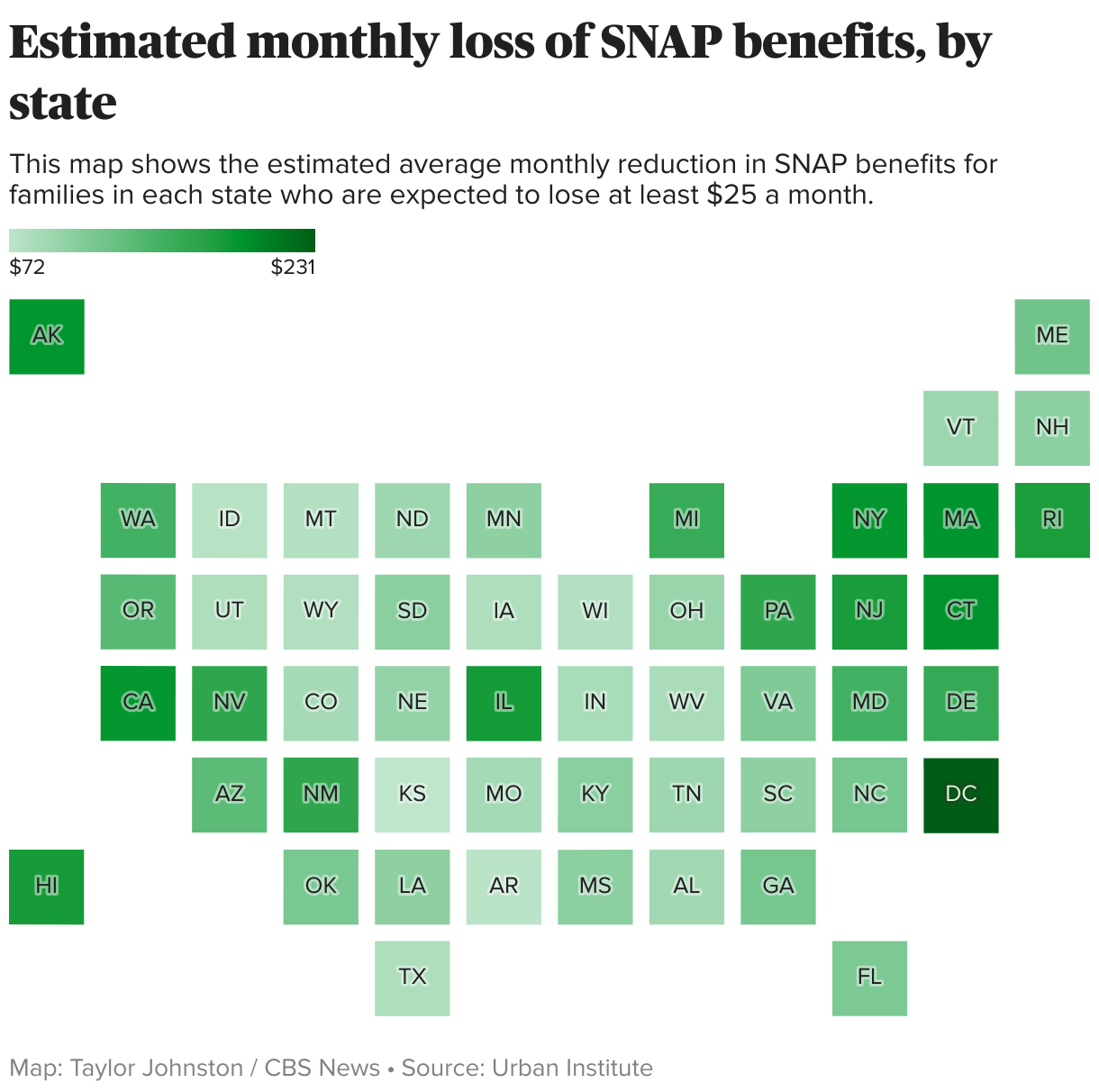
In recent months, significant policy changes have been introduced amid the ongoing recovery from the COVID-19 pandemic. Emergency allotments, which increased monthly benefits for many participants, have begun to expire in several states, potentially leaving families with reduced assistance. According to reports, this rollback could affect millions of households, leading to heightened concerns regarding food access, especially in communities that already face economic difficulties.
Significance of SNAP Benefits
SNAP benefits not only help mitigate hunger but also stimulate local economies. Every $1 in SNAP benefits generates approximately $1.50 to $1.80 in economic activity, making it a crucial tool for both food security and economic recovery. However, the recent changes in the program have sparked conversations about the ongoing need for policy adjustments to better serve vulnerable populations.
Conclusion
As discussions surrounding food security and nutrition assistance continue, SNAP benefits remain a critical lifeline for many American households. Observers advocate for policy revisions to ensure enhanced support as inflation affects food prices and living costs rise. The ongoing evolution of SNAP will shape not only the lives of millions of families but also the greater economic landscape in the years ahead. Keeping informed about these developments is crucial for understanding how best to support those in need.