The Significance of Friday the 13th
Friday the 13th is often regarded as an unlucky day in Western superstition, leading to widespread fear and anxiety surrounding the date. This superstition is so prevalent that it even has a specific term: “triskaidekaphobia,” which refers to the fear of the number 13. The conjunction of Friday, a day traditionally associated with bad luck in some cultures, and the number 13 has created a unique phenomenon in popular culture.
Historical Context
The origins of the fear associated with Friday the 13th can be traced back to various historical and religious contexts. One common belief among Christians is that Jesus was crucified on a Friday, and there were 13 individuals present at the Last Supper, leading to a belief that gatherings of 13 could bring misfortune. Ancient cultures also viewed the number 12 as a symbol of completeness—think of the 12 months in a year or the 12 zodiac signs—making 13 an unwanted outlier.
Modern Cultural Impact
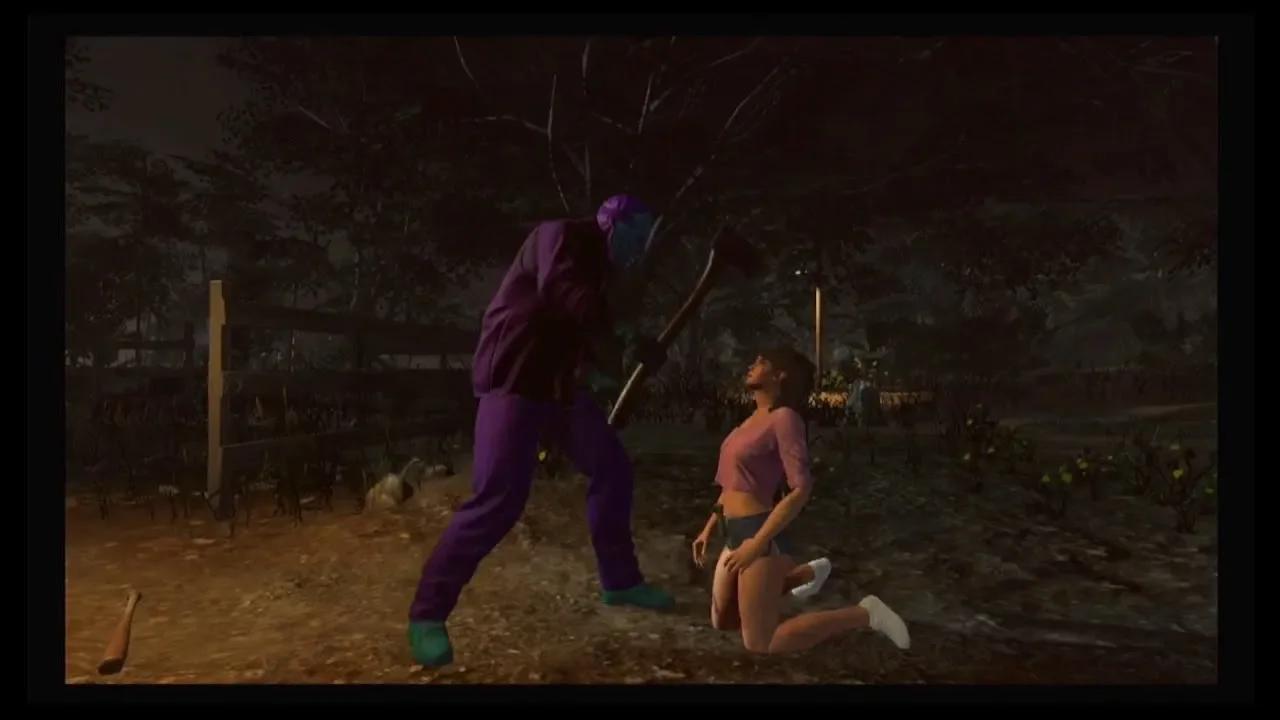
In contemporary society, the fear of Friday the 13th has permeated pop culture, with movies, songs, and literature influencing public perception. The iconic horror film franchise ‘Friday the 13th,’ which began in 1980, has solidified the date’s association with horror and superstition. These cultural references perpetuate the idea that Friday the 13th is inherently unlucky, resulting in hotels and businesses even omitting the 13th floor in buildings to avoid negative connotations.
Recent Events and Superstitions
This year, several notable occurrences have fallen on Friday the 13th, rekindling interest and concern. Social media platforms are abuzz with users sharing shivery stories, anti-superstitious sentiments, and playful content regarding the day. It is also common for individuals to take extra caution, avoiding significant decisions, travel plans, or any activities deemed risky.
Conclusion
While the fear of Friday the 13th may seem irrational to some, it offers a fascinating insight into human psychology, cultural beliefs, and the power of tradition. For many, it remains a day of caution and reflection, reminding us of the often arbitrary nature of luck and superstition. As we look ahead, Friday the 13th will continue to hold a unique place in both pop culture and societal beliefs, prompting a mix of fear and fascination. Whether one views it as merely a date on the calendar or a symbol of impending misfortune, its impact is undeniable.