Introduction
Generation Z, commonly known as Gen Z, refers to the cohort of individuals born between the mid-1990s and early 2010s. This generation is crucial to understand, as they are shaping the future of our society through their unique perspectives, values, and habits. As the first true digital natives, Gen Z’s influence spans various realms including technology, economy, workplace culture, and social issues. With a growing demographic impact, their preferences and opinions are becoming significant in consumer behavior, political discourse, and cultural trends.
Current Trends and Characteristics
Research indicates that Gen Z is characterized by their commitment to social justice, inclusivity, and sustainability. A recent survey conducted by McKinsey revealed that 75% of Gen Z respondents prioritize ethical consumption and are willing to spend more on brands that align with their values. They are also more diverse than previous generations; according to the U.S. Census Bureau, nearly 50% of Gen Z identifies as a racial or ethnic minority. This diversity fuels their passion for equality and representation across all sectors.
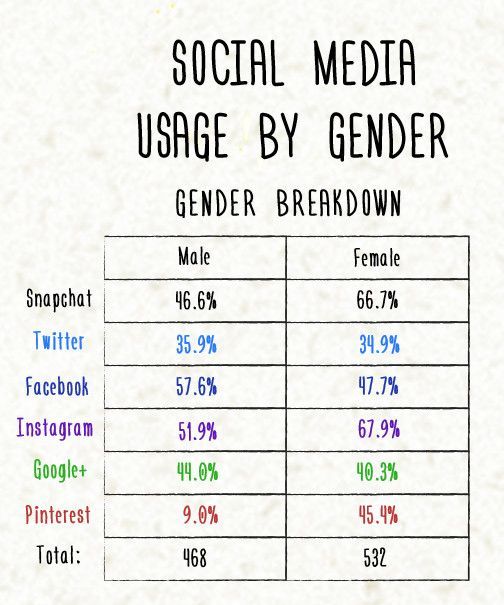
Moreover, Gen Z’s relationship with technology has further evolved their communication style. They favor platforms like TikTok, Instagram, and Snapchat over traditional media, utilizing these channels to express themselves creatively and engage with social issues. A report by Pew Research Center highlights that 95% of teens in this generation have access to smartphones, making them adept at leveraging social media to drive awareness and activism.
Impact on the Workplace
As Gen Z enters the workforce, their expectations are reshaping corporate cultures and hiring practices. Employers find that this generation seeks meaningful work alongside a strong focus on mental health and work-life balance. A study by Deloitte emphasizes that 66% of Gen Z workers value employers who provide mental health resources and prioritize a supportive work environment. This generation’s emphasis on diversity and inclusion is also driving companies to reconsider their hiring practices and company values.
Conclusion
In conclusion, understanding Gen Z is vital in navigating the changes that are currently reshaping our society. Their commitment to social justice, technological fluency, and diverse viewpoints plays a pivotal role in addressing contemporary challenges. As they mature and become primary consumers and contributors in the workplace, observing these trends will provide invaluable insights into the future direction of society and the economy. Businesses, policymakers, and educators must engage with this generation to effectively address their needs and aspirations, ensuring a collaborative and promising future for all.