Introduction to Gerrymandering
Gerrymandering remains a critical issue in the landscape of American politics, influencing electoral outcomes and the very fabric of democracy. Defined as the manipulation of electoral district boundaries to favor one party over another, gerrymandering has profound implications for representation. With the midterm elections approaching, understanding this practice becomes increasingly relevant for voters and policymakers alike.
The Mechanics of Gerrymandering
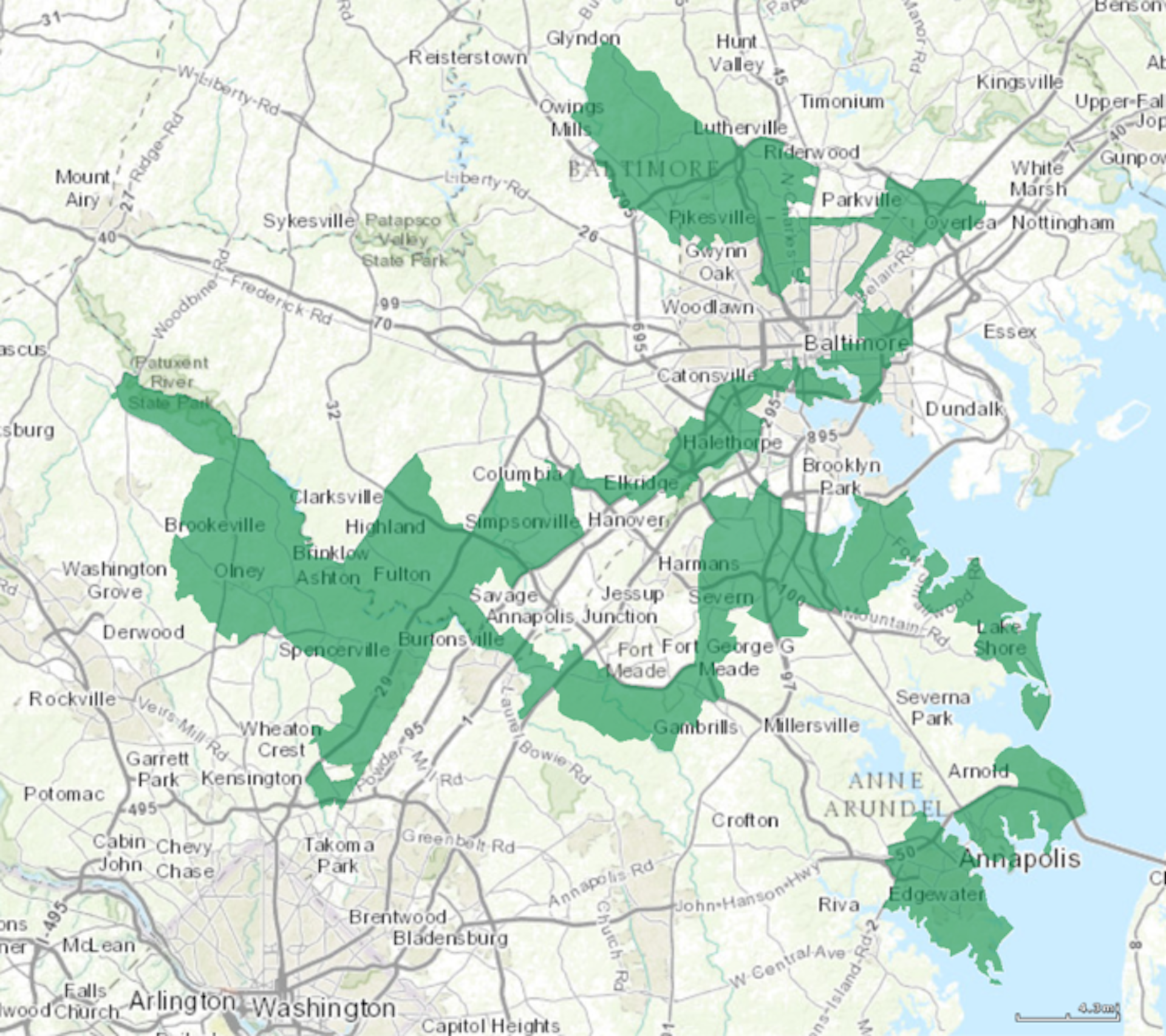
Gerrymandering typically occurs in two main ways: “cracking” and “packing.” Cracking involves diluting the voting power of a particular demographic by distributing them across multiple districts, while packing concentrates them into a single district to reduce their influence elsewhere. These tactics can lead to bizarrely shaped districts that defy geographical logic, as seen in various states where maps are drawn to create partisan advantages.
Current Events and Legal Challenges
In recent months, several states have faced legal challenges related to gerrymandered districts. For instance, the Supreme Court has been asked to weigh in on cases from North Carolina and Alabama, where plaintiffs argue that the drawn districts violate both state and federal laws in their partisan bias. As courts review these cases, the outcomes could reshape political landscapes and impact how votes translate into representation.
The Effects on Democracy
Critics of gerrymandering argue that it undermines the democratic process by entrenching partisan power and diminishing voter choice. A report from the Brennan Center for Justice highlights that gerrymandering leads to less competitive elections and voter apathy, as many individuals feel their votes carry little weight in predetermined outcomes. Furthermore, it can exacerbate polarization, as politicians cater to the extremes of their parties rather than appealing to a broader electorate.
Looking Ahead: The Future of Gerrymandering
As the conversation around gerrymandering continues, there is an increasing push for reform. Many advocates are calling for the establishment of independent commissions to oversee the redistricting process, as a method to ensure fair representation. Some states have already adopted this strategy with positive outcomes, suggesting a potential path forward for others struggling with entrenched gerrymandering tactics.
Conclusion
Gerrymandering poses significant challenges to the American democratic system. As the legal battles unfold and public consciousness rises regarding this issue, judgments made by the courts and actions taken by states will be critical in determining the future of electoral fairness. Voters must remain informed and engaged to advocate for change that ensures their voices are fairly represented in the political arena.