Introduction
Gold futures are a vital part of the global financial landscape, providing investors with a way to hedge against inflation and economic uncertainty. As the world grapples with fluctuating economies, the gold futures market holds significant relevance for both traders and investors. This article explores current trends, recent events, and their implications for stakeholders.
Current Market Trends
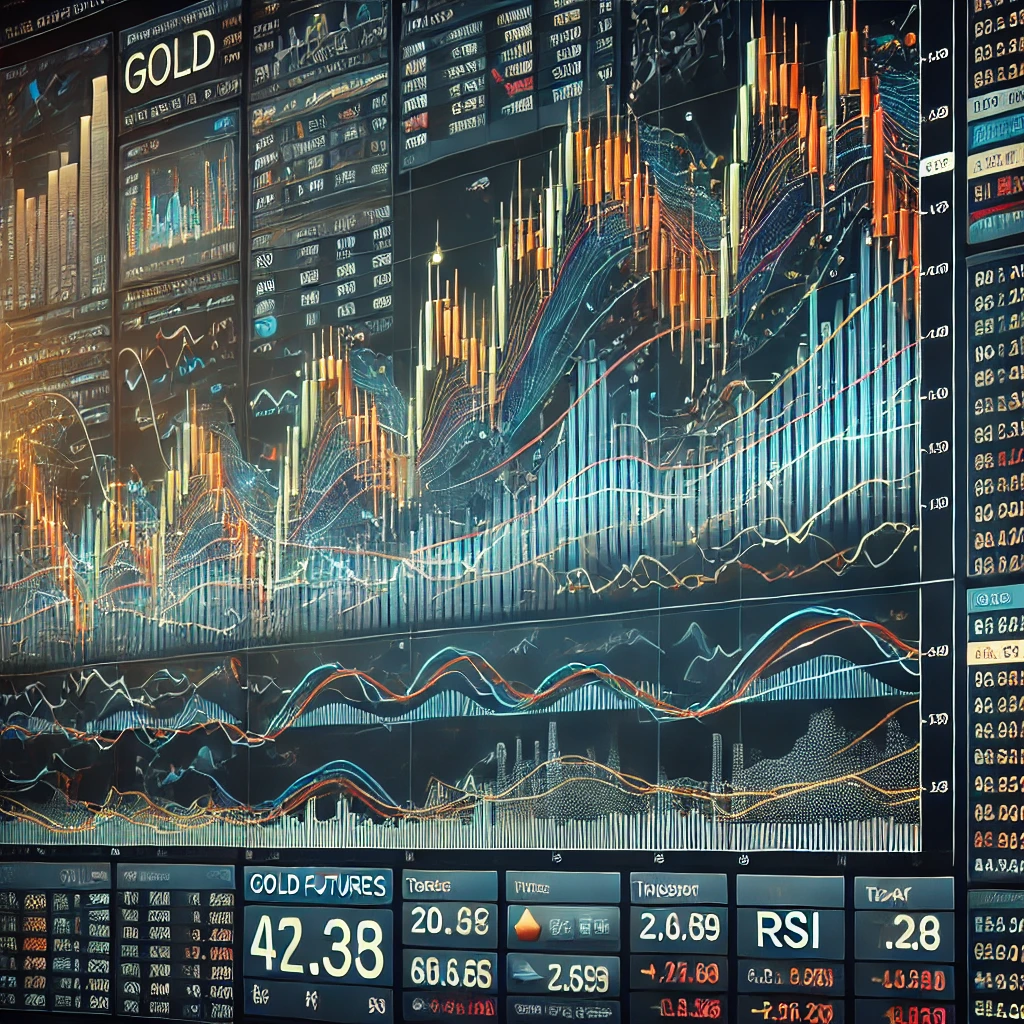
As of October 2023, the gold futures market has shown considerable volatility, influenced by rising interest rates and geopolitical tensions. The December gold futures contract recently traded around $1,900 per ounce, down from its peak earlier in the year. Analysts suggest that as central banks pivot towards tightening monetary policy, the appeal of gold as a safe haven has wavered.
Recent reports indicate that the U.S. Federal Reserve is expected to maintain higher interest rates for an extended period. This decision affects gold prices negatively as yields on bonds rise, making non-yielding assets like gold less attractive. Moreover, the ongoing tensions in Eastern Europe and concerns over supply chains continue to impact investor sentiment.
Recent Developments
In recent weeks, there have been pivotal developments in the gold futures market. For instance, the latest CFTC (Commodity Futures Trading Commission) data shows a shift in positioning among traders, with many fund managers reducing their long positions in gold. This shift indicates a move towards more cautious investment strategies as uncertainty prevails in both equity and commodity markets.
Additionally, the demand for physical gold remains robust, particularly from Asia, where jewelers are ramping up purchases ahead of the holiday season. This factor may counterbalance some of the selling pressure in the futures market, making it vital for investors to monitor both paper and physical gold dynamics.
Conclusion
The direction of gold futures in the coming months remains uncertain, hinging on various economic indicators and geopolitical factors. Investors should stay informed about central bank policies and market trends as they navigate the complexities of the gold market. Given the historical significance of gold during turbulent times, it may continue to serve as an essential asset for risk management. For those involved in trading or investing in gold futures, maintaining a balanced perspective on the risks and opportunities presented by the current market environment is key.