Introduction
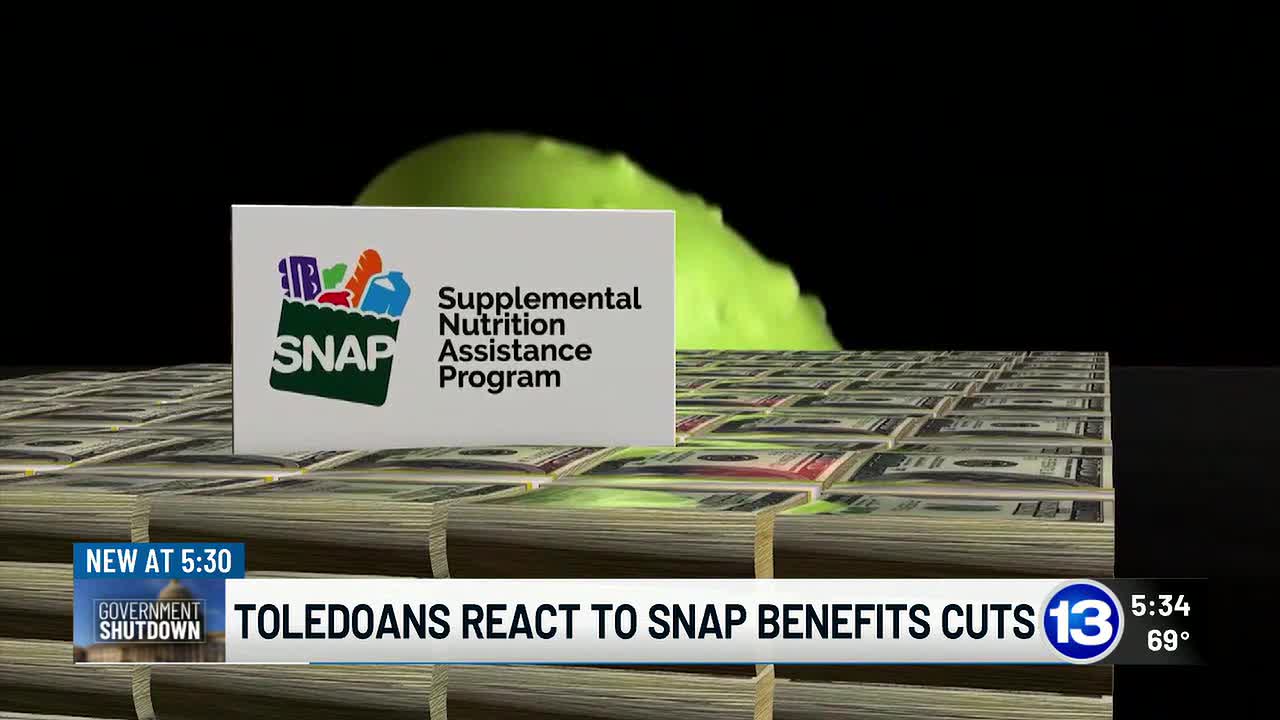
The potential for a government shutdown looms large, creating uncertainty for millions of Americans who rely on vital support programs, particularly the Supplemental Nutrition Assistance Program (SNAP). With the ongoing discussions in Congress and the impending deadlines, it’s essential to understand how a shutdown may impact SNAP benefits and the overall well-being of food-insecure families.
Impact of Government Shutdown on SNAP Benefits
As of October 2023, the U.S. government is facing a possible shutdown due to budget disagreements among lawmakers. This situation raises questions about the continuity of SNAP, a program that serves approximately 41 million Americans. Historically, the SNAP program has been insulated from the effects of government shutdowns for a certain period since states administer the program. However, if a prolonged shutdown occurs, the flow of federal funds could be disrupted, affecting states’ ability to issue benefits.
During the last government shutdown in 2019, the U.S. Department of Agriculture (USDA) accelerated the distribution of SNAP benefits for recipients through January, providing funds to alleviate the immediate crisis. However, as the shutdown persisted, states were left uncertain about their capacity to continue issuing benefits in subsequent months, leading to fear and confusion among recipients.
Current Situation and Future Implications
As Congress works towards a resolution, it remains unclear how the administration will handle SNAP benefits this time if a shutdown occurs. USDA officials have indicated that the agency has contingency plans, yet these plans may be subject to the length of the shutdown and the availability of funding. The possibility of delays in benefit distribution could heighten food insecurity, particularly for vulnerable populations such as children, the elderly, and low-income families.
Advocacy groups are raising alarms, urging Congress to prioritize food assistance programs during negotiations. They emphasize that even short interruptions in SNAP benefits can significantly affect families’ access to nutritious food, increasing their reliance on food banks and other emergency supplies.
Conclusion
The potential government shutdown raises critical questions and concerns for SNAP recipients across the nation. It is crucial for lawmakers to address the needs of the most vulnerable populations to prevent exacerbating food insecurity. As we move forward into uncertain times, staying informed and involved in advocacy efforts can make a meaningful difference.
Ultimately, a swift resolution in Congress will not only provide reassurance to millions of Americans but also ensure that crucial safety nets like SNAP remain intact and functioning, helping those in dire need of support.