Introduction to Indigenous Peoples Day
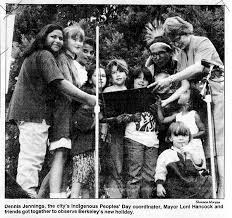
Indigenous Peoples Day has emerged as a significant observance in the United States, honoring the rich histories and cultures of Indigenous communities. Celebrated on the second Monday in October, it serves as a counter-celebration to Columbus Day, which has historically commemorated Christopher Columbus’s arrival in the Americas in 1492. The observance promotes awareness of the impacts of colonization and aims to recognize the contributions and struggles of Native peoples.
Historical Context
The movement to replace Columbus Day with Indigenous Peoples Day gained traction in the late 20th century. The first official declaration of Indigenous Peoples Day was made in 1990 during the second national gathering of the North American Indigenous Peoples. It emphasized providing a platform for Indigenous voices and knowledge. Over the years, various states and cities have adopted the holiday, with celebrations highlighting cultural events, educational workshops, and community gatherings.
Recent Developments
As of 2023, over 30 states and numerous cities across the United States now recognize Indigenous Peoples Day. Notable examples include Minnesota, the first state to establish a statewide holiday in 2016, and cities like Seattle and Los Angeles, which have implemented celebrations that include art exhibits, film screenings, and local Indigenous performances. This shift is accompanied by a broader cultural recognition of Indigenous rights and the need for reparative justice.
In recent years, there has been increased advocacy to educate the public about the true history of colonization and its long-term effects on Indigenous communities. Organizations such as the National Congress of American Indians (NCAI) and the Indigenous People’s Movement work to promote awareness and foster unity among Indigenous peoples and their allies.
Conclusion and Future Significance
Indigenous Peoples Day has emerged as a profound statement against historical erasure and a call for social justice. It provides an opportunity for Americans to reflect on the ongoing struggles faced by Indigenous communities and to engage in meaningful dialogue around sovereignty and cultural resilience. As more communities recognize this day, the hope is that it can foster greater empathy, understanding, and collaboration between Indigenous and non-Indigenous peoples. The future observance of Indigenous Peoples Day may lead to further commitments to support and uplift Indigenous voices, paving the way for a more inclusive understanding of American history.