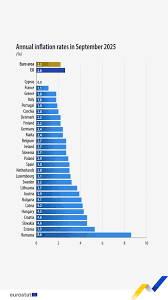
The Importance of Inflation
Inflation is a critical economic concept that affects purchasing power, interest rates, and overall economic stability. Understanding inflation rates is essential for consumers, businesses, and policymakers as they plan for future investments, savings, and spending. With the global economy facing unprecedented challenges, the outlook for inflation in 2025 has become a topic of significant interest.
Current Trends and Developments
As of late 2023, many economists express concerns about rising inflation rates following the aftermath of the COVID-19 pandemic, supply chain disruptions, and geopolitical tensions affecting energy prices. Recent reports from the Federal Reserve indicate that inflation rates could stabilize but remain higher than the pre-pandemic levels in the coming years, leading to predictions for 2025.
The Federal Reserve aims to manage inflation target rates around 2%. However, inflation was reported at around 3.7% in September 2023, higher than anticipated. Consumer spending and high demand, particularly in sectors such as housing and commodities, have further complicated inflation forecasts.
Predictions for Inflation in 2025
Economists have begun to analyze potential scenarios for inflation in 2025. Most forecasts suggest that inflation will gradually decrease, aiming for a target of around 2% to 3% by 2025, but factors such as labor market conditions, energy prices, and international trade agreements may lead to fluctuations.
The International Monetary Fund (IMF) has indicated that if global supply chains normalize and energy independence improves, inflation could stabilize. Conversely, if there are further disruptions or economic uncertainties arise, inflation rates could diverge significantly from these predictions.
Implications for Consumers and Businesses
For consumers, the future of inflation means careful budgeting and planning. Continually rising prices on essential goods and services can strain household budgets, while wage growth lags behind inflation rates. Businesses will need to adapt to potentially fluctuating costs and may have to adjust prices accordingly, affecting consumer choices.
Investors and policymakers will also be monitoring inflation trends closely as they can influence interest rates and economic growth measures. The Federal Reserve’s actions, such as adjusting interest rates in response to inflation data, will be pivotal in shaping economic landscapes leading into 2025.
Conclusion
As we approach 2025, it is increasingly important to monitor inflation trends and understand their implications. While predictions indicate a stabilization of inflation rates, many external factors could influence these forecasts. For consumers and businesses alike, staying informed will be essential for navigating the economic landscape of the future.