Introduction
Interest rates today play a crucial role in the economic landscape, influencing everything from personal loans to mortgages and savings accounts. With the Federal Reserve’s recent decisions on rate adjustments, understanding these rates and their implications has become increasingly important for consumers and investors alike. As the economy continues to recover post-pandemic, tracking interest rates is essential for informed financial decision-making.
Current Interest Rate Trends
As of October 2023, the Federal Reserve has kept the target interest rate at a range of 5.25% to 5.50%. This decision reflects a cautious approach to balancing economic growth with inflation control. Recent inflation data shows that year-over-year inflation has stabilized around the 3% mark, prompting discussions about the potential for future rate cuts if inflation trends continue to ease.
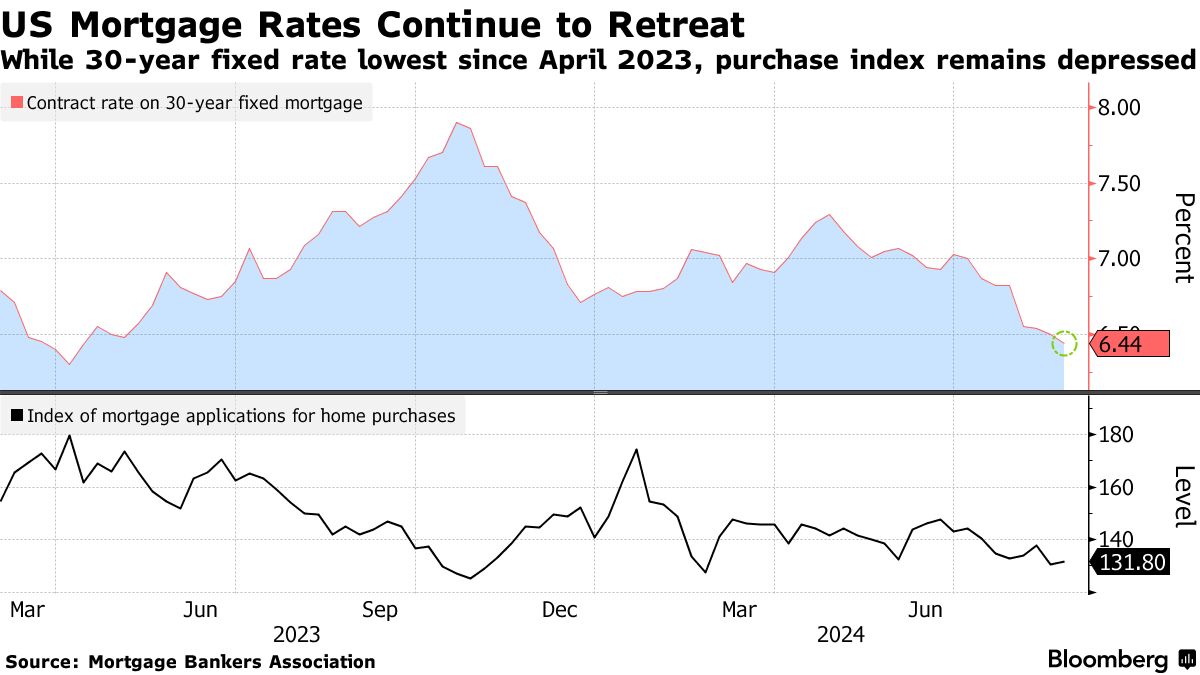
Additionally, mortgage rates have seen fluctuations, currently averaging around 7.55% for a 30-year fixed mortgage, a significant increase compared to the previous year. These higher rates are reshaping the housing market, as both buyers and sellers adjust their expectations based on borrowing costs. Consequently, many prospective homebuyers are opting for adjustable-rate mortgages (ARMs) to mitigate costs in a volatile environment.
Impact on Borrowers and Savers
The implications of interest rates today are profound for both borrowers and savers. For individuals looking to secure loans, the increased rates mean higher monthly payments and a more challenging path to homeownership. On the other hand, savers are beginning to benefit from higher interest rates on savings accounts and certificates of deposit (CDs), which are now offering more competitive returns than they have in over a decade.
Conclusion
In conclusion, as interest rates today remain a hot topic, consumers should stay informed about how these changes affect their financial decisions. Borrowers need to assess the sustainability of their loans under current rates, while savers can take advantage of better yields. As we move forward, it’s crucial for all stakeholders to keep an eye on the Federal Reserve’s signals regarding future rate changes, which could further affect the economic landscape. Monitoring these rates will aid in making strategic investments and sound financial choices in an ever-evolving market.