Introduction
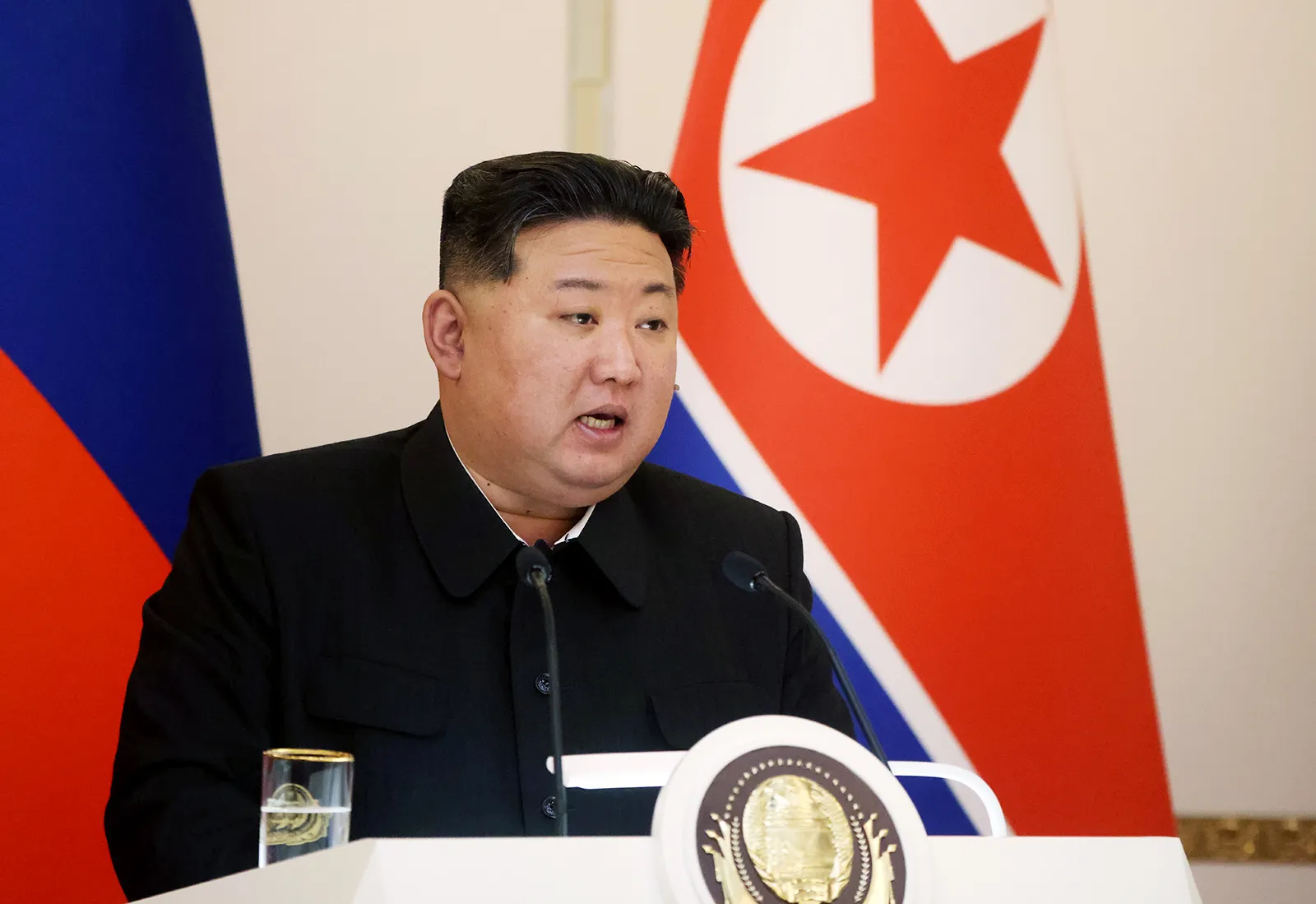
Kim Jong Un has been the Supreme Leader of North Korea since 2011, following the death of his father, Kim Jong Il. His leadership is crucial not only for the political landscape of North Korea but also for the international community. With ongoing nuclear developments, military exercises, and diplomatic negotiations, understanding Kim’s actions and their implications is vital for global security and regional stability.
Recent Developments
In recent months, Kim Jong Un has intensified his focus on nuclear capabilities. In September 2023, North Korea conducted multiple missile tests, including the launch of short-range ballistic missiles, which were seen as a show of force and a response to joint military exercises conducted by the United States and South Korea. The North Korean government insists that its military advancements are a necessary measure to protect its sovereignty against perceived threats.
Additionally, Kim has continued to advocate for economic self-sufficiency in the face of international sanctions imposed over its nuclear program. Despite struggling with food shortages due to severe weather and the COVID-19 pandemic, Kim’s regime has prioritized military spending, leading to growing concerns among analysts regarding the humanitarian situation within the country.
Diplomatic Relations
On the diplomatic front, Kim Jong Un has maintained a complex relationship with both regional neighbors and global powers. Although there were moments of thawing relations, especially during the historic summits with former U.S. President Donald Trump in 2018 and 2019, recent interactions have seen little progress. In October 2023, Kim met with Russian President Vladimir Putin in a significant move to strengthen ties between the two nations, focusing on military cooperation and economic collaboration. This meeting further complicates the geopolitical landscape, as it could signal a shift in alliances amid ongoing sanctions from the West.
Conclusion
Kim Jong Un’s leadership continues to significantly impact not only North Korea but also the broader international arena. As North Korea pushes forward with its military ambitions and seeks new alliances, global powers remain watchful. In the coming months, observers will be particularly focused on how Kim balances domestic challenges with international pressures and the ongoing ramifications of his policies. For readers, staying informed about these dynamics is essential to understanding the future of peace and stability in Northeast Asia.