Introduction
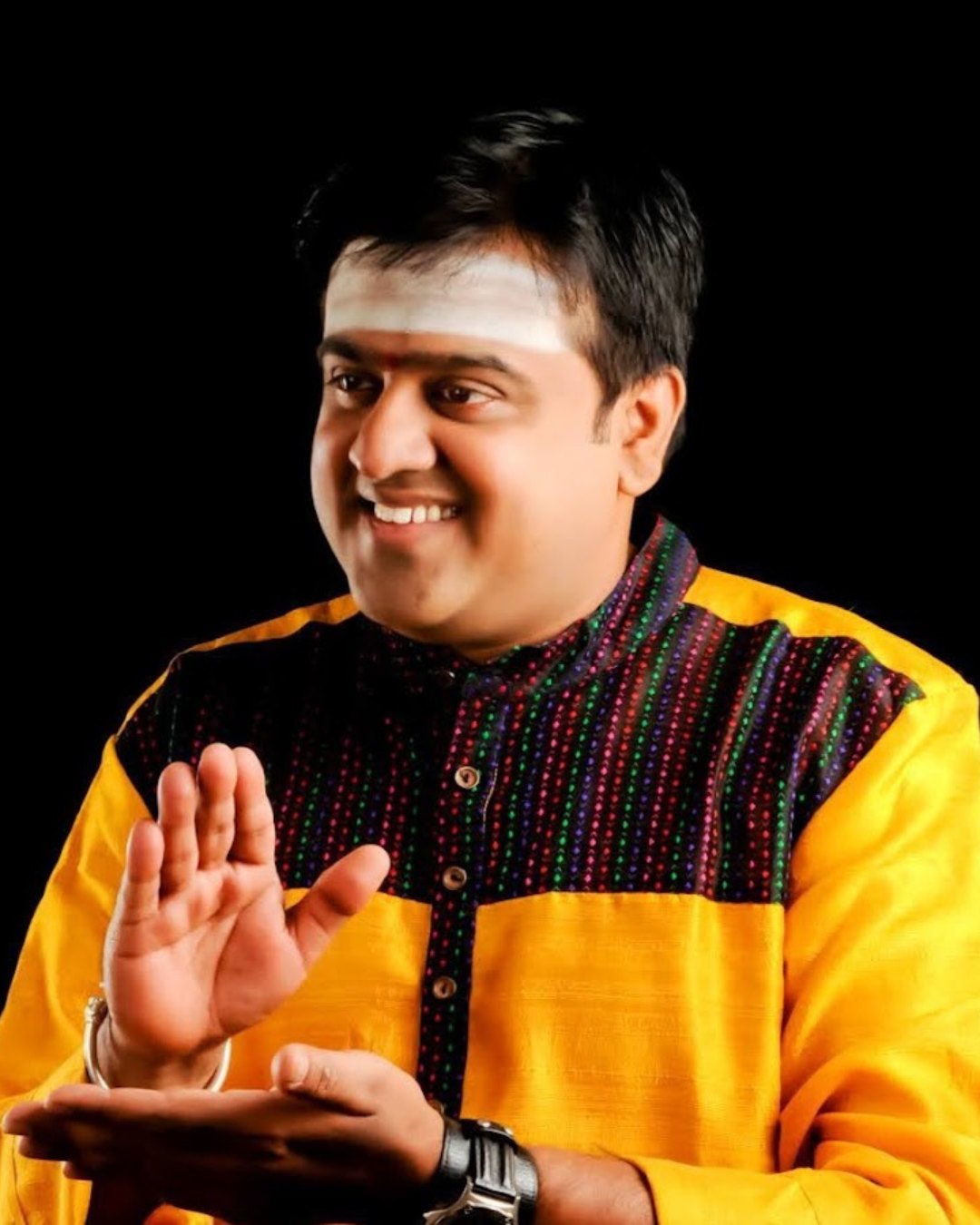
Konnakol is a fascinating aspect of Carnatic music, the classical music tradition of South India. It is a vocal percussion technique that uses spoken syllables to represent various rhythmic patterns and complex time signatures. As cultural exchange increases globally, Konnakol is gaining recognition outside India, showcasing its significance not just as a musical skill, but also as a cultural bridge between traditions.
The Fundamentals of Konnakol
In Konnakol, artists vocalize rhythmic sequences using specific syllables such as “ta,” “ki,” “ta,” and “dum.” These syllables correspond to different drum sounds and are utilized to teach rhythm, maintain tempo, or even create intricate compositions. This practice can be traced back over a thousand years, with roots deeply embedded in temple music and dance, making it an essential component of Indian performing arts.
Current Trends and Events
Recently, Konnakol has attracted the interest of musicians and educators worldwide. Volunteer programs and workshops are being organized in various locations, ranging from music schools to community programs in the United States, Europe, and Asia. This worldwide interest highlights a growing appreciation for traditional arts and the desire to incorporate them into contemporary music forms. Organizations such as the International Konnakol Society have emerged to promote this unique art form by facilitating performances, workshops, and education.
Prominent Konnakol Artists
Several distinguished artists are dedicated to popularizing Konnakol on the global stage. Artists like T. K. Murthy and Vikku Vinayakram have been instrumental in introducing Konnakol to broader audiences. Their performances often blend traditional practices with contemporary elements, appealing to diverse listeners and fostering a new appreciation for this ancient art form.
Conclusion
As Konnakol continues to evolve, it bridges traditional Indian music with modern artistic practices. Its growing presence in various music circles signifies not just an appreciation for rhythm but also underscores the importance of cultural exchange in our increasingly interconnected world. For music lovers and cultural enthusiasts alike, Konnakol presents a rich subject worth exploring, offering deep insights into the complexities of rhythm and performance that transcend boundaries.