Introduction
The case of Kyle Rittenhouse has sparked intense debate and division across the United States, touching on issues related to self-defense, gun rights, and the ongoing discourse surrounding social justice. Rittenhouse, who garnered national attention for his actions during protests in Kenosha, Wisconsin in August 2020, has become emblematic of a broader cultural clash in America.
Background of the Incident
On August 25, 2020, Kyle Rittenhouse, then 17 years old, traveled from his home in Antioch, Illinois, to Kenosha, Wisconsin, amid civil unrest following the police shooting of Jacob Blake, an African American man. Rittenhouse, armed with a semi-automatic rifle, claimed he was there to protect local businesses and offer medical aid. During the protests, he fatally shot two men and injured a third during confrontations.
The Trial and Verdict
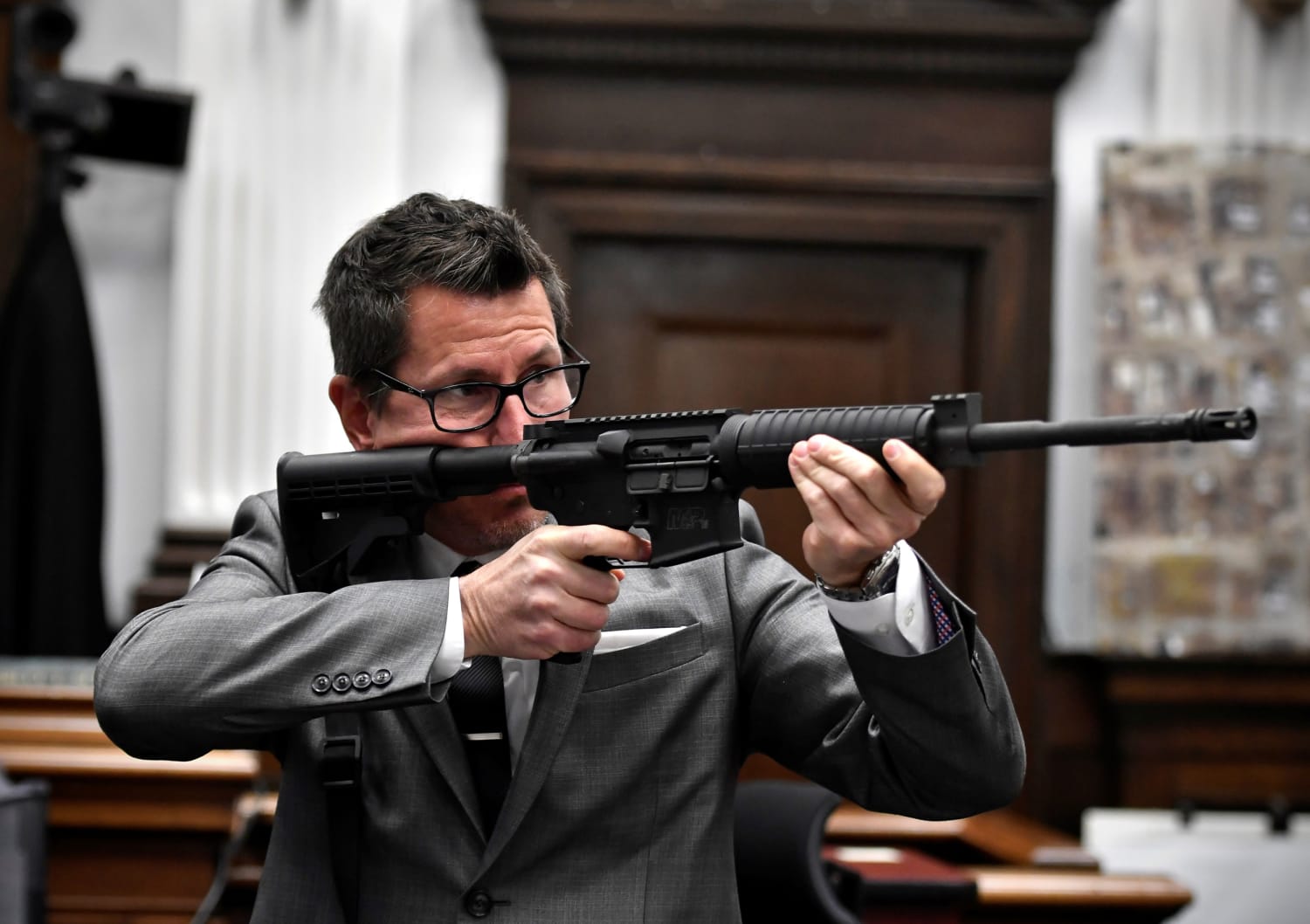
Rittenhouse’s trial began on November 1, 2021, with the prosecution arguing that he had crossed state lines illegally with a weapon and had acted recklessly. However, Rittenhouse’s defense portrayed him as a teenager acting in self-defense after being attacked. On November 19, 2021, Rittenhouse was acquitted of all charges, a verdict that ignited further debate across the nation.
Public Reaction and Implications
The verdict was met with mixed reactions. Supporters of Rittenhouse celebrated him as a symbol of the Second Amendment and self-defense rights, while critics condemned the ruling as a sign of systemic injustice, highlighting concerns over gun violence and accountability in cases involving racial tensions. Protests erupted in cities across America, reflecting deeply rooted divisions within the society.
The Larger Conversation
Rittenhouse’s case raises critical questions about the interplay between race, self-defense laws, and societal rights to protest. Following his acquittal, discussions surrounding gun control, militia involvement in civilian policing, and the legal definitions of self-defense have intensified. Lawmakers and activists continue to debate potential reforms, with some calling for clearer guidelines on the use of force during civil unrest.
Conclusion
As the national conversation continues, Kyle Rittenhouse’s case underscores the complexities of American law and societal values. It serves as a reminder of the urgent need for dialogue and reform surrounding issues of race, self-defense, and the rights of individuals to assemble and protest. In the coming years, the implications of this case may have lasting effects on legislation, public opinion, and the fabric of American society.