Introduction
Kyle Rittenhouse, a name that has polarized American society, gained national attention during the summer of 2020 due to his involvement in the shooting incident during protests in Kenosha, Wisconsin. His case is significant not only for the legal ramifications that followed but also for the broader discussions around self-defense, gun rights, protests, and race relations in the United States.
The Background of the Incident
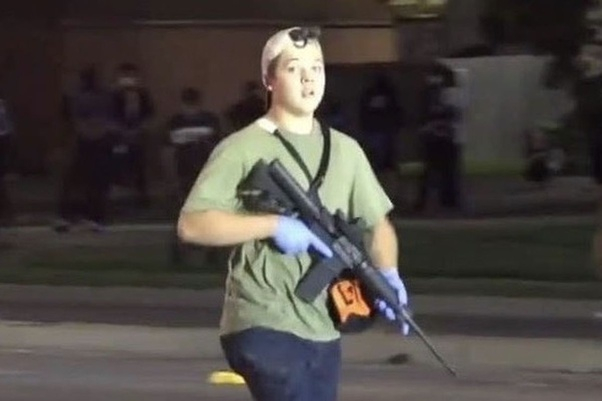
Rittenhouse, then a 17-year-old from Illinois, traveled to Kenosha on August 25, 2020, amid protests that erupted following the police shooting of Jacob Blake, an unarmed Black man. Armed with an AR-15 style rifle, Rittenhouse defended himself against claims that he intended to protect local businesses from vandalism. However, during the night of the protests, he shot three individuals, killing two and wounding one. The incident was captured on video, which further complicated the narrative surrounding the event.
The Trial and Verdict
The trial of Kyle Rittenhouse commenced in November 2021 and drew intense media scrutiny and public interest. His attorneys argued that he acted in self-defense, while the prosecution portrayed him as an irresponsible minor who provoked violence. After a highly publicized trial, Rittenhouse was acquitted of all charges on November 19, 2021, sparking varied reactions across the nation, from support among gun rights advocates to outrage from those who viewed the verdict as a failure of the justice system.
Reactions and Implications
The acquittal of Rittenhouse has cemented his status as a controversial figure in American discourse. Supporters hailed him as a symbol of self-defense and Second Amendment rights, while critics warned of the dangers of vigilantism and the developing narrative that normalizes the use of firearms in civil protests. This case has reignited debates about America’s gun culture, the legal definitions surrounding self-defense, and the interplay between race and justice in a polarized society.
Conclusion
Kyle Rittenhouse’s case stands as a stark reflection of contemporary America, where issues of race, gun rights, and individual versus state authority collide. As discussions continue about the implications of his trial and the broader social issues it represents, it is crucial for citizens to engage in meaningful conversations around these topics. Rittenhouse may have been acquitted legally, but the societal debates his case incited are far from resolved. As we move forward, the legal ramifications of this case may serve as a precedent in the ongoing evolution of self-defense laws in the United States.