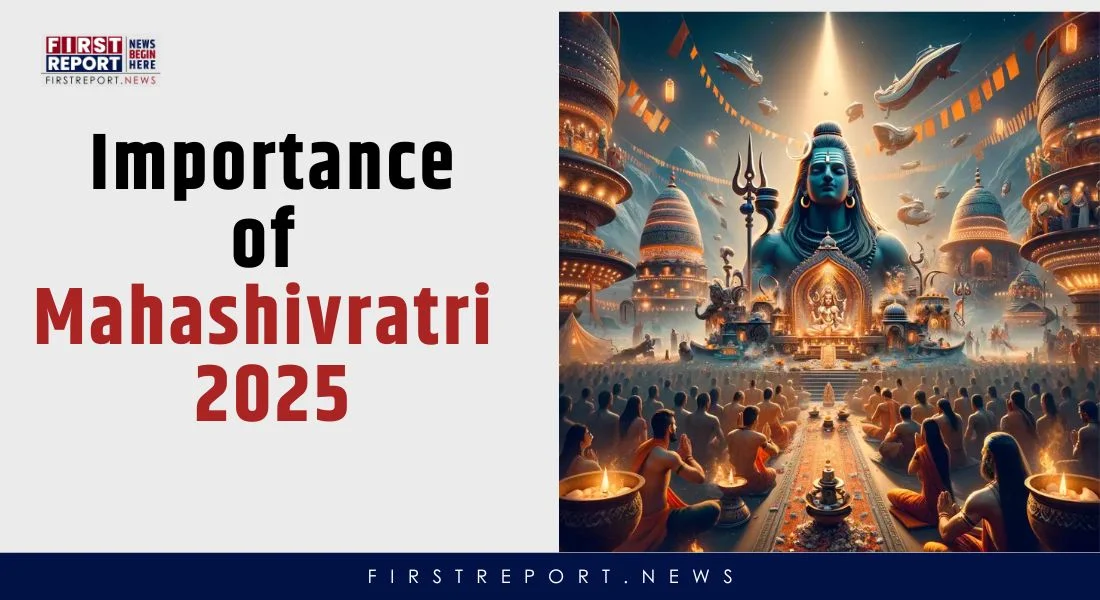
Introduction
Mahashivratri, one of the most revered festivals in Hinduism, celebrates the devotion to Lord Shiva. It falls on the 14th night of the dark fortnight in the month of Phalguna and is significant for its spiritual and cultural aspects. In 2026, Mahashivratri will be observed on February 20, and preparations are already underway as devotees across India and around the world prepare to honor the auspicious occasion.
The Significance of Mahashivratri
The day of Mahashivratri is symbolically regarded as the day when Lord Shiva performs the cosmic dance of creation, preservation, and destruction. Devotees believe that observing fasts and engaging in night-long vigils (jaagaran) on this day can lead to spiritual upliftment and blessings from Lord Shiva. The festival also marks the union of Shiva and Shakti, thus emphasizing the balance between masculine and feminine energies.
Celebrations and Rituals
In 2026, celebrations of Mahashivratri will include various rituals such as:
- Fasting: Many devotees observe a day-long fast, consuming only water or fruits.
- Prayer and Chanting: Devotees chant mantras and hymns, particularly the “Mahamrityunjaya Mantra” and “Shiv Stuti,” to invoke Lord Shiva’s blessings.
- Puja: Special worship (puja) is performed at homes and temples, where devotees offer milk, honey, and bel leaves to the Shiva Lingam.
- Night Vigil: Many people stay awake all night, engaging in prayers and storytelling about the exploits of Lord Shiva.
Temples, especially those dedicated to Shiva, will witness an influx of devotees. Major temples, including Kashi Vishwanath in Varanasi, Somnath in Gujarat, and Kedarnath in Uttarakhand, will host significant celebrations and elaborate ceremonies.
Conclusion
Mahashivratri 2026 will not only serve as a day of spiritual reflection for millions but also as a reminder of faith, unity, and devotion. As the day approaches, communities are preparing to express their reverence through various cultural festivities and traditions. The significance of Mahashivratri resonates beyond religious boundaries, symbolizing the quest for inner peace and balance in a fast-paced world. Celebrating this occasion, devotees hope to foster a deeper connection with the divine and inspire others on a similar path.