Introduction to Manpads
Man-portable air-defense systems, commonly known as manpads, have become a crucial component in modern military arsenals worldwide. As conflicts evolve, the relevance of these shoulder-fired missile systems has increased significantly, influencing various aspects of air defense strategies. Their effectiveness has made them a focal point in discussions regarding air security and counter-terrorism measures.
What Are Manpads?
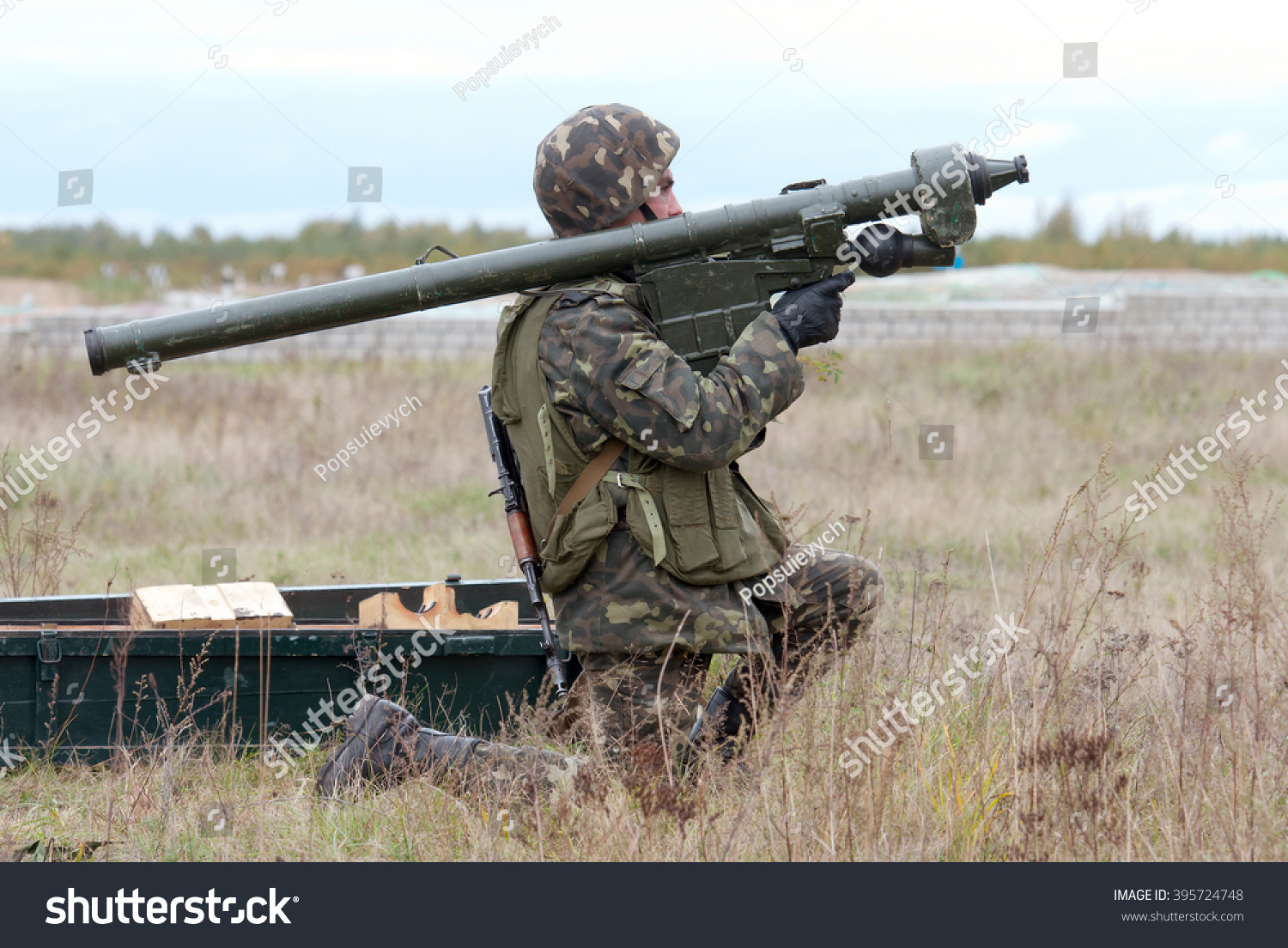
Manpads are designed to be operated by a single soldier and are specifically engineered to target and destroy low-flying aircraft, such as helicopters and drones. These portable systems are characterized by their compact size and relatively easy deployment, allowing them to be used in various settings, from battlefield operations to guerrilla warfare.
Current Events and Developments
The recent escalation of conflicts in regions like Ukraine and the Middle East has reinforced the importance of manpads. In Ukraine, both military and civilian applications of manpads have become prominent, with reports indicating that they have been used to successfully down aircraft, altering the dynamics of aerial combat. In addition, military assistance packages from Western nations have included advanced manpads to bolster Ukraine’s defensive capabilities against Russian air attacks.
Moreover, the proliferation of manpads poses significant challenges for global security. The potential for these systems to fall into the hands of non-state actors and terrorist organizations raises alarms about their use in asymmetric warfare. Recent intelligence reports suggest that several extremist groups have been acquiring manpads, posing a escalating threat to commercial aviation and regional stability.
Future Directions and Conclusions
As technological advancements continue to enhance the efficacy of manpads, military experts predict a continued evolution in their design and capabilities. Future iterations may include improved targeting systems, better firing ranges, and enhanced defenses against countermeasures. For nations around the world, the imperative will remain to establish effective counteraction strategies to neutralize the risks posed by manpads.
In conclusion, the significance of manpads in contemporary warfare cannot be understated. They serve as a critical equalizer in various conflict scenarios but also pose considerable challenges for global security. As military strategies evolve and new threats emerge, staying informed and prepared in the face of these developments remains essential for nations and security forces alike.