Introduction
Mifepristone, commonly known as the abortion pill, has become a pivotal topic in healthcare discussions across the United States. This medication is primarily used for medical abortion and has been a significant part of reproductive health services since it was approved by the FDA in 2000. With recent legal challenges and discussions surrounding reproductive rights, understanding mifepristone’s availability, efficacy, and implications is more crucial than ever.
Current Developments
As of mid-2023, mifepristone has emerged at the center of numerous legal battles primarily driven by states seeking to restrict access to abortion services. In April 2023, a Texas judge ruled to revoke FDA approval of mifepristone, citing concerns over its safety and efficacy. However, this decision was quickly met with appeals, and a federal appeals court subsequently decided to maintain access to the drug while the case proceeds through the courts.
Flowing from these legal disputes, mifepristone remains available in many states, but the landscape of access is rapidly changing. Organizations advocating for reproductive rights are working tirelessly to ensure that women can still obtain mifepristone, even if certain states impose restrictions. Data indicate that up to 60% of abortions in the U.S. are medical, further emphasizing the relevance of mifepristone amid evolving healthcare laws.
Health Implications
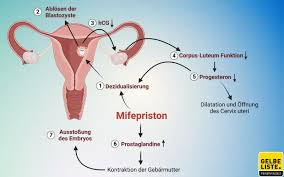
From a medical standpoint, mifepristone has been deemed safe and effective for terminating early pregnancies. The World Health Organization endorses its use and highlights that when paired with misoprostol, it has a high success rate in completing an abortion. However, the ongoing litigation and State-specific regulations could complicate this access, forcing healthcare providers to navigate a challenging legal environment. Recent studies also emphasize the importance of telehealth in providing access to mifepristone, particularly during the pandemic, showcasing a shift in healthcare delivery that may influence future policies.
Conclusion
The future of mifepristone remains uncertain as legal battles and political climates evolve. As advocacy groups continue to fight for reproductive freedoms, the availability of mifepristone will likely fluctuate based on state legislation and judicial rulings. For readers, staying informed and understanding the implications of these developments is crucial, not just for individuals seeking reproductive health options but for broader discussions around health access and women’s rights in the United States.