Introduction
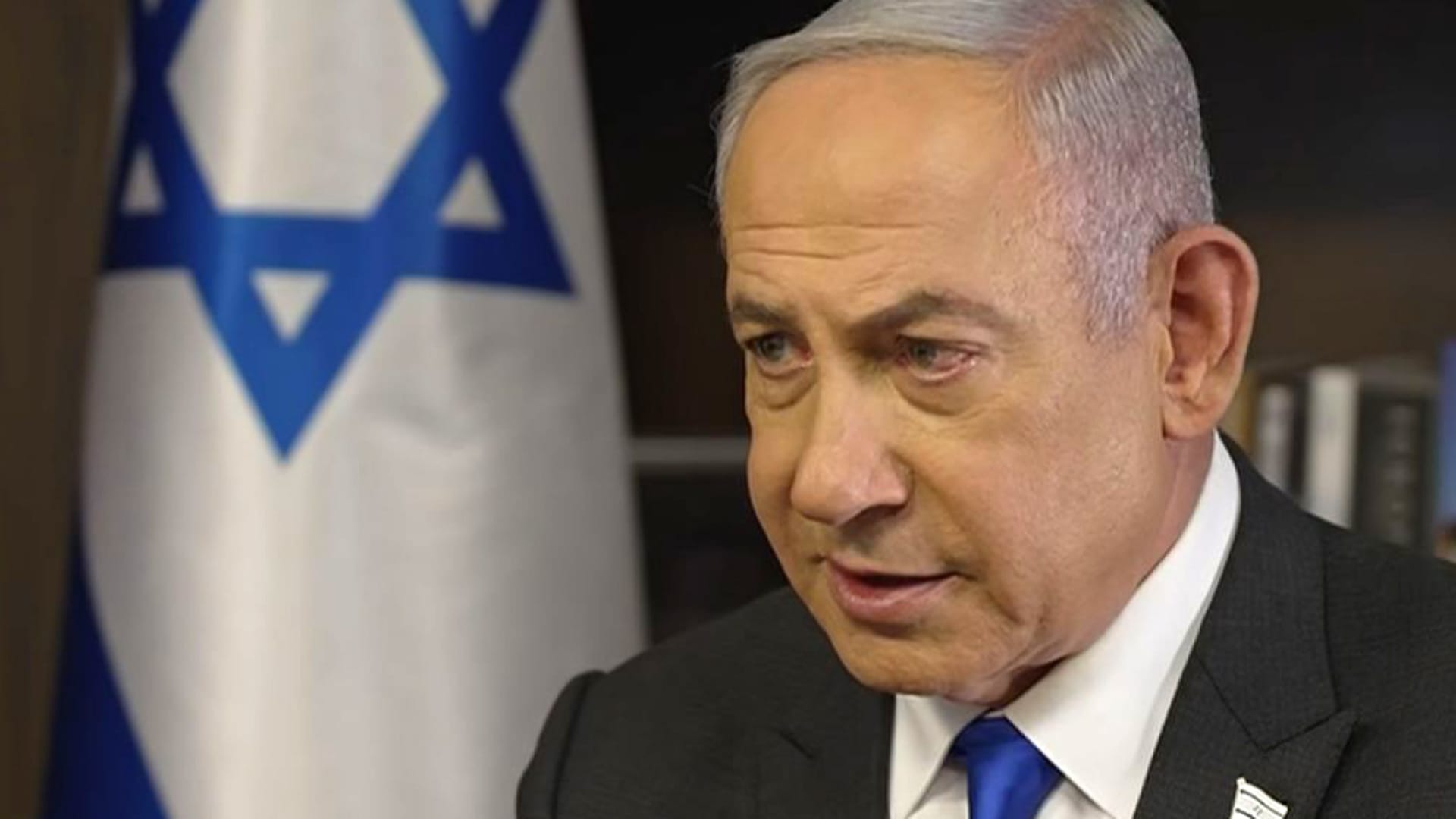
Benjamin Netanyahu, a prominent figure in Israeli politics, has been at the helm of numerous pivotal changes within the nation. As the longest-serving Prime Minister of Israel, his actions and policies garner global attention, making his role crucial not just domestically but also internationally. Recent events highlight his continuing influence amid ongoing tensions and shifting alliances in the volatile Middle East.
Recent Developments
As of late 2023, Netanyahu has faced significant scrutiny following the outbreak of protests against his judicial reforms, which many critics argue could undermine the independence of Israel’s legal system. The proposed reforms have sparked public demonstrations, drawing thousands to the streets, with opposition forces uniting to contest the gradual erosion of checks and balances. In the midst of this internal strife, Israel’s ongoing security challenges, particularly concerning threats from Hamas and Hezbollah, form a backdrop for Netanyahu’s leadership decisions.
In response to the protests, Netanyahu has emphasized the importance of upholding security while navigating the nation’s legal framework. His coalition government appears to be balancing these internal pressures while also addressing regional tensions. Notably, Saudi-Israeli normalization talks, which have gained traction recently, indicate Netanyahu’s efforts to enhance diplomatic relations in the region. In October 2023, reports suggested that discussions with Riyadh could lead to significant security arrangements and economic partnerships.
International Reactions
Globally, reactions to Netanyahu’s actions have been mixed. While some nations support his stance on security and defense, others express concern over his government’s approach to judiciary reforms and human rights issues. The Biden administration has reiterated its commitment to a two-state solution, urging Israel to avoid actions that might further escalate regional tensions. This external pressure adds complexity to Netanyahu’s decision-making process as he seeks to maintain support from right-wing factions within his government.
Conclusion
Netanyahu’s position remains precarious as he navigates a landscape filled with domestic unrest and international scrutiny. Observers of Israeli politics must pay close attention to how these developments unfold, as they could significantly alter the power dynamics within both Israel and the broader region. The next few months will likely be crucial in determining Netanyahu’s political future and the direction of Israeli policy, making it essential for stakeholders to remain informed and engaged.