Introduction
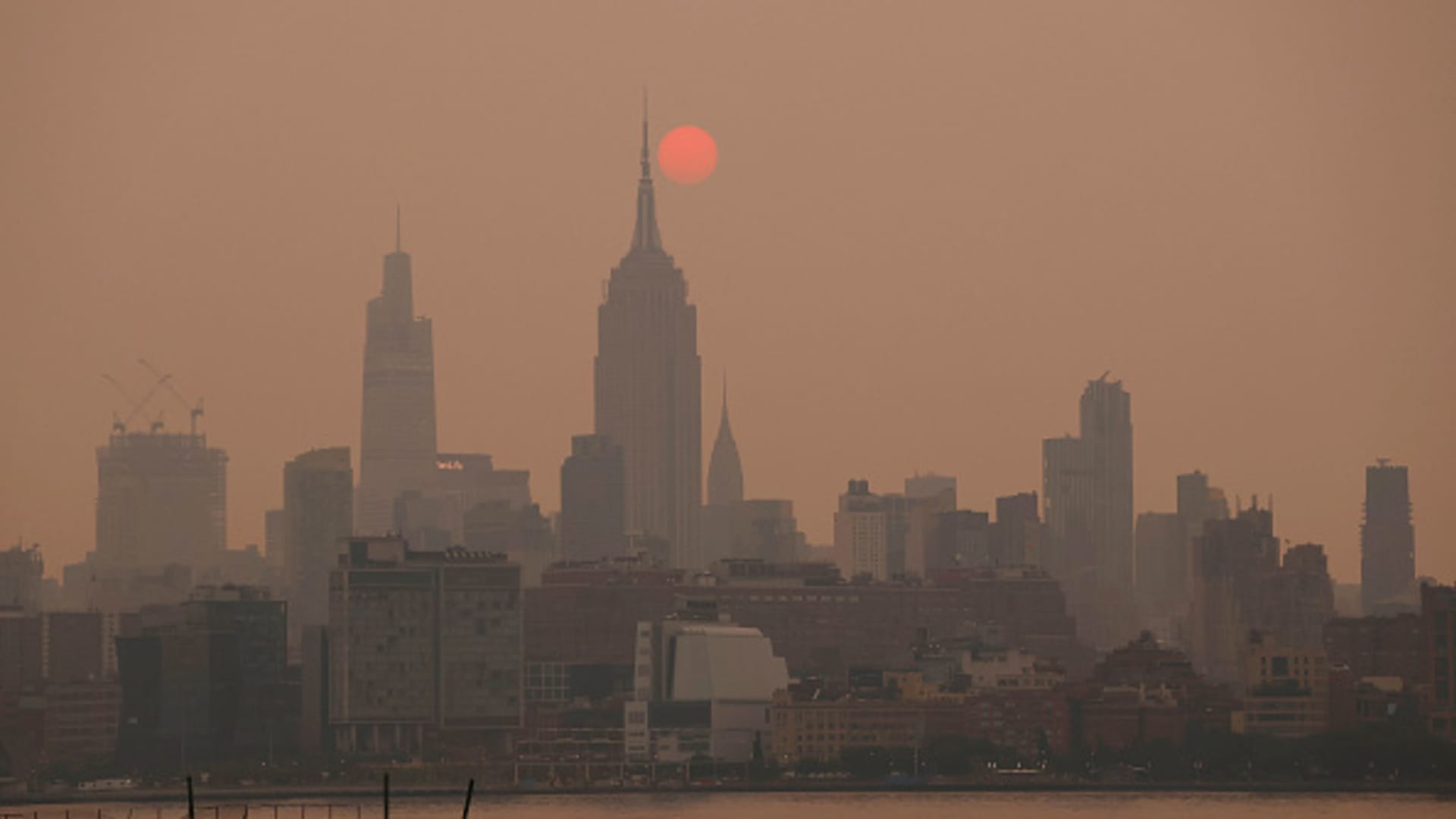
In recent months, New York City has seen a noticeable increase in fire incidents, raising concerns about public safety and preparedness. The city’s dense population, combined with an array of aging infrastructure and high-rise buildings, presents unique challenges in effective fire management and emergency response. Understanding these incidents is critical for residents and policymakers as they seek solutions to enhance safety.
Recent Fire Incidents
According to the FDNY, there has been an uptick in fire-related calls over the last year, with particular spikes noted in residential areas during the winter months. Notable incidents include a five-alarm fire in the Bronx that damaged multiple buildings last February, displacing dozens of families and resulting in significant injuries. Investigations revealed that discarded smoking materials contributed to the blaze.
In July, a fire broke out in a high-rise apartment in Manhattan, which was quickly contained due to the swift response of the firefighting teams. Fortunately, there were no fatalities, although several residents were treated for smoke inhalation. Such incidents highlight the dangers posed by older construction practices and the urgent need for fire safety improvements.
Community Engagement and Safety Initiatives
In response to rising incidents, the city has ramped up its fire safety campaigns, advocating for smoke detector installation in every home. The FDNY has distributed thousands of smoke alarms to low-income households across the boroughs, ensuring that residents are equipped to detect fires early. Community workshops also focus on fire prevention education, with themes such as safe cooking practices and emergency escape routes.
Forecasts for Future Measures
City officials are pushing for stricter building codes and enhanced fire inspections in older buildings, particularly in regions prone to high fire risks. New legislation aimed at increasing fines for non-compliance is expected to be proposed in the next city council session, aiming to ensure that landlords maintain safe living environments.
Conclusion
The recent increase in fire incidents in NYC serves as a critical reminder for residents to evaluate their safety practices and for officials to invest in comprehensive safety measures. By fostering community awareness and implementing tougher safety regulations, the city aims to mitigate risks and protect lives in the future. As we continue to witness changes in fire safety legislation and community initiatives, it is vital for all New Yorkers to remain vigilant and proactive about their safety.