Introduction
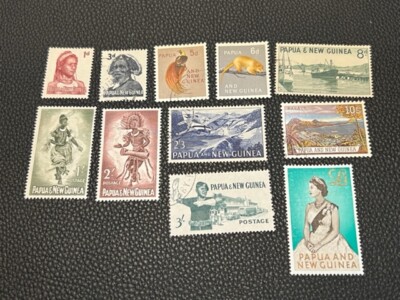
Papua New Guinea (PNG) is a vibrant island nation located in the southwestern Pacific Ocean, known for its rich cultural heritage, biodiversity, and complex political landscape. With over 800 languages spoken and a multitude of ethnic groups, PNG offers a unique tapestry of culture that is increasingly relevant in discussions about globalization, conservation, and regional stability.
Culture and Ethnicity
The cultural diversity of Papua New Guinea is one of its most defining features. Each of its provinces has distinct traditions, languages, and art forms. The Melanesian culture predominates, but the influence of colonization has added layers to its social fabric. The annual Mount Hagen Cultural Show and other festivals attract international tourists and celebrate the vibrant traditions of the country.
Recent Political Developments
In recent months, PNG has drawn international attention due to its ongoing political challenges, including corruption and governance issues. The nation held a national election in 2022, which was marred by allegations of electoral fraud and violence. Prime Minister James Marape, who has been in office since 2019, continues to face pressures for reform and transparency within his government. Discussions around improving law and order, resource management, and international relations have become central themes in the political discourse.
Economic Landscape
Economically, Papua New Guinea is rich in natural resources, including petroleum, gold, copper, and horticulture. Recent investments, particularly from Australia and China, have aimed to bolster the mining and agriculture sectors, providing a vital revenue stream for the country. However, the dependency on a resource-based economy poses risks, including fluctuations in global commodity prices and environmental concerns.
Environmental Challenges and Conservation Efforts
With its diverse ecosystems, Papua New Guinea faces significant environmental challenges, including deforestation and climate change impacts. The country’s rich natural resources come at a high environmental cost, and conservation efforts are critical to preserving biodiversity. Various organizations are working with local communities to promote sustainable practices, which are crucial for the long-term health of the nation’s landscapes.
Conclusion
In summary, Papua New Guinea is at a crossroads—a nation rich in culture and resources, yet grappling with political and environmental challenges. As it navigates its path forward, the global community’s engagement and support will play a crucial role in shaping a sustainable future. The stories and struggles of its people resonate beyond its shores, highlighting the importance of connectivity in an increasingly interdependent world.