Introduction
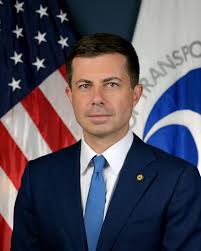
Pete Buttigieg, the U.S. Secretary of Transportation and former Mayor of South Bend, Indiana, has become a prominent figure in American politics. His rise to national recognition during the 2020 Democratic presidential primaries highlighted his appeal among younger voters and his ability to discuss complex issues like infrastructure, transportation, and climate change. Buttigieg’s experiences and views are vital as the nation navigates post-pandemic recovery and aims to modernize its transportation systems.
Buttigieg’s Current Role and Responsibilities
As Secretary of Transportation, Buttigieg oversees a critical department that manages the nation’s infrastructure systems, including highways, railroads, and air travel. He has faced various challenges during his tenure, such as addressing supply chain disruptions exacerbated by the COVID-19 pandemic and dealing with the increased demand for transportation as the country emerges from lockdowns. Recently, Buttigieg has focused on implementing the bipartisan Infrastructure Investment and Jobs Act, which aims to improve roads, bridges, and public transit while also addressing climate resilience.
Key Initiatives and Policies
Buttigieg has been a strong advocate for policies that promote a sustainable and equitable transportation system. This includes increasing investments in electric vehicle infrastructure and expanding public transportation options. His efforts reflect a broader commitment to combat climate change and promote greener transit solutions. In recent months, he has also launched initiatives to ensure that transportation systems are not only efficient but also accessible to all communities, especially those historically underserved.
Public Reception and Future Plans
Public reception of Buttigieg’s leadership has been mixed; while many applaud his forward-thinking policies, he has also faced criticism regarding traffic safety and urban policy initiatives in his previous role as mayor. Moving forward, Buttigieg plans to prioritize infrastructure investment and safety enhancements in transportation sectors to further support economic growth. His focus on collaboration with local leaders and stakeholders aims to bring diverse voices into the planning process, ensuring the needs of all communities are met.
Conclusion
In conclusion, Pete Buttigieg’s role in American politics as Secretary of Transportation is pivotal during this time of reconstructing infrastructure and addressing urgent climate issues. His focus on innovation, accessibility, and sustainability reflects a modern approach to governance. As he navigates challenges in his current position, Buttigieg’s work is likely to have long-term implications on the nation’s transportation landscape and its overall response to climate change. Observers will be keen to see how his policies unfold in the coming years and what they mean for the future of American infrastructure.