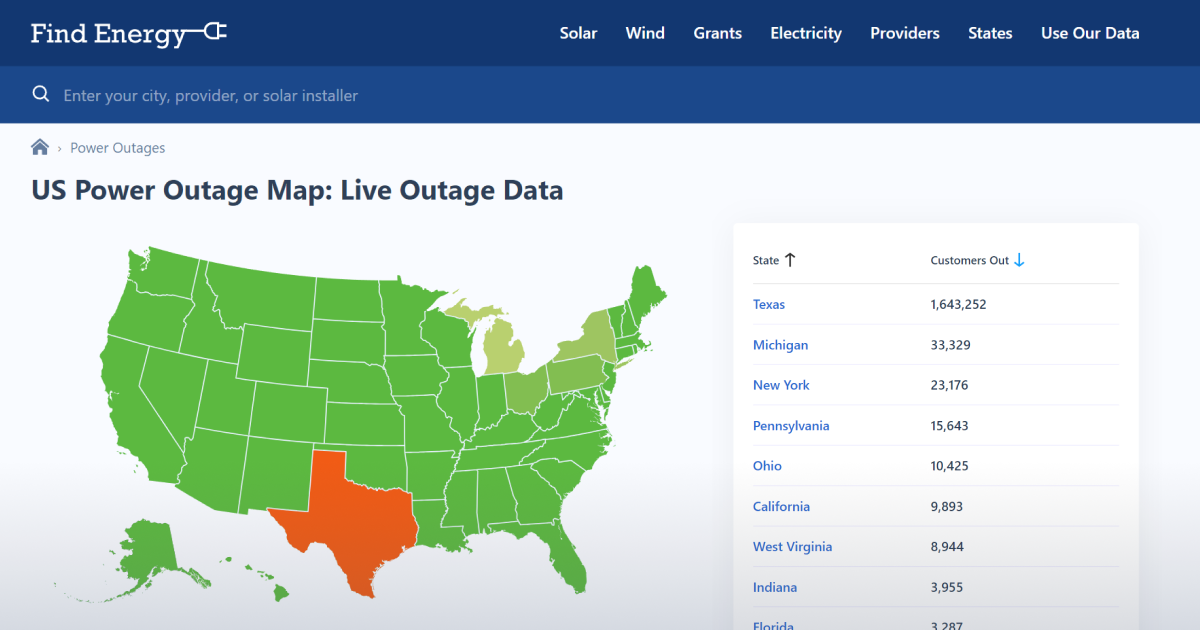
Introduction to Power Outage Maps
Power outages can happen at any time due to various reasons including severe weather, equipment failures, and high demand. Understanding how to utilize a power outage map is crucial for individuals and businesses alike. These maps provide real-time information on outages and can greatly assist in preparedness and recovery efforts.
Recent Events Impacting Power Outages
In the past month, multiple regions across the United States have experienced significant power outages due to extreme weather conditions. Hurricanes in the Gulf Coast, along with winter storms in the Northeast, have left thousands without electricity. Utilities have started to rely heavily on technology to communicate with the public, launching enhanced power outage maps as part of their customer service initiatives.
For instance, a recent report from the U.S. Energy Information Administration (EIA) showed that a record number of outages occurred during hurricane season, with utilities investing in real-time technology to inform residents about service disruptions. By using updated power outage maps, residents can identify which areas are affected and whether repairs are underway.
How to Access Power Outage Maps
Most utility companies now offer interactive power outage maps accessible via their websites or mobile applications. These maps typically display color-coded regions indicating areas with outages, estimated restoration times, and ongoing repair work. Popular companies like Pacific Gas and Electric (PG&E) and Florida Power & Light (FPL) have invested in making their outage maps user-friendly and informative. Additionally, third-party websites and apps also aggregate data from various utility providers to offer broader insights.
The Significance of Power Outage Maps for Residents
The significance of using power outage maps cannot be overstated. For homeowners, this crucial information helps them prepare for outages with contingency plans such as backup generators or alternative cooking methods. Businesses, especially those dependent on production, can monitor outages to minimize loss and maintain operations. Furthermore, local governments and emergency services can utilize this data to coordinate responses and assist vulnerable populations.
Conclusion: A Tool for Preparedness
In conclusion, power outage maps emerge as a vital tool for communities facing unpredictable events. As advancements in technology continue, we can expect even more precise and efficient ways to track and respond to power outages. Staying informed is crucial, so residents should familiarize themselves with their local outage maps and remain prepared for the unexpected.