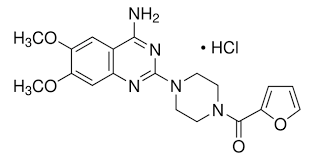
Introduction to Prazosin Hydrochloride
Prazosin hydrochloride is a medication primarily used to treat high blood pressure and symptoms of benign prostatic hyperplasia (BPH). As an alpha-1 adrenergic receptor blocker, it works by relaxing blood vessels, allowing for improved blood flow. Its relevance has increased in recent years as healthcare professionals explore its applications beyond hypertension, including management of post-traumatic stress disorder (PTSD).
Medical Uses of Prazosin Hydrochloride
The most common prescription for prazosin hydrochloride is for hypertension. The drug helps in reducing the constriction of blood vessels, leading to lowered blood pressure. However, its effectiveness does not stop there; prazosin has also been useful in alleviating the distressing nightmares associated with PTSD. Recent studies have indicated that patients suffering from this condition have reported a reduction in the frequency and severity of nightmares when treated with prazosin, making it a promising option in mood and anxiety disorders.
Side Effects and Considerations
While prazosin hydrochloride can be beneficial, it is essential for patients to be aware of potential side effects. Common side effects include dizziness, fatigue, and headache, especially when starting the medication or increasing the dose. Additionally, the risk of orthostatic hypotension—sudden drops in blood pressure upon standing—requires caution. Doctors often recommend gradual dose adjustments and monitoring for those sensitive to sudden changes in blood pressure.
Recent Developments and Future Outlook
In recent years, ongoing clinical trials have aimed to ascertain the broader applications of prazosin hydrochloride, especially within the realm of mental health. The drug’s mechanism of action in blocking receptors associated with anxiety and trauma responses could lead to new treatment options for various psychological conditions, extending its utility beyond hypertension and BPH.
Conclusion
Prazosin hydrochloride remains a crucial medication in the treatment of high blood pressure and symptoms of BPH, but its potential benefits in treating PTSD highlight the need for continued research and discussion within the medical community. For patients and healthcare providers, understanding both the benefits and risks of this medication will be vital for effective treatment planning. As research progresses, prazosin may find expanded roles in managing not just physical but also mental health conditions, making it a compound of significant interest in pharmacology.