Introduction
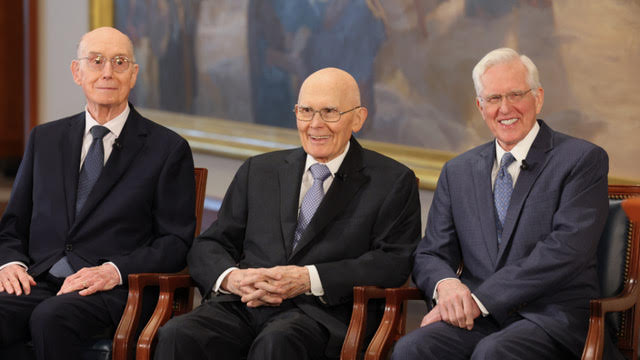
The leadership structure of The Church of Jesus Christ of Latter-day Saints (LDS Church) plays a pivotal role in guiding millions of members worldwide. One of the key figures in this structure is President Dallin H. Oaks, who is currently serving in the First Presidency, alongside President Russell M. Nelson and President Henry B. Eyring. Understanding President Oaks’ position and influence is important for followers of the church and those interested in religious leadership and governance.
Background of President Oaks
Born on August 12, 1932, in Provo, Utah, Dallin H. Oaks was a prominent legal scholar, serving as a professor and the president of Brigham Young University. His extensive legal background includes a term as an associate justice of the Utah Supreme Court. He was called to the Quorum of the Twelve Apostles in 1984 and subsequently to the First Presidency in 2015. Oaks’ leadership style is characterized by a commitment to education and public service, making him a notable figure in contemporary church history.
Significant Events in His Tenure
Since joining the First Presidency, President Oaks has made impactful contributions in various areas. He has emphasized the importance of religious freedom and its complexities in a diverse society. In one of his landmark addresses at the April 2021 General Conference, Oaks discussed how individuals can balance their religious beliefs with societal demands, reinforcing the church’s stance on moral agency. Furthermore, he has worked on initiatives aimed at enhancing community services and strengthening families, critical elements in LDS doctrine.
Impact on the LDS Community
Under President Oaks’ guidance, the First Presidency has continued to address contemporary issues facing the church and its members. He has played an important role in fostering a spirit of inclusivity within the church, encouraging dialogue among various faiths while remaining true to core beliefs. His focus on education also resonates with church values, promoting lifelong learning and personal development among members. Additionally, Oaks’ connection with youth has become increasingly important, as the church seeks to engage younger generations in meaningful ways.
Conclusion
President Dallin H. Oaks’ role in the First Presidency represents a significant aspect of leadership in the LDS Church. His background as a legal scholar and educator complements his spiritual responsibilities, creating a unique perspective on church governance. As the church navigates modern challenges, Oaks’ emphasis on faith, education, and community engagement will likely continue to influence its direction. For faithful members and observers alike, understanding his contributions can provide greater insight into the operational and spiritual framework of The Church of Jesus Christ of Latter-day Saints.