Introduction
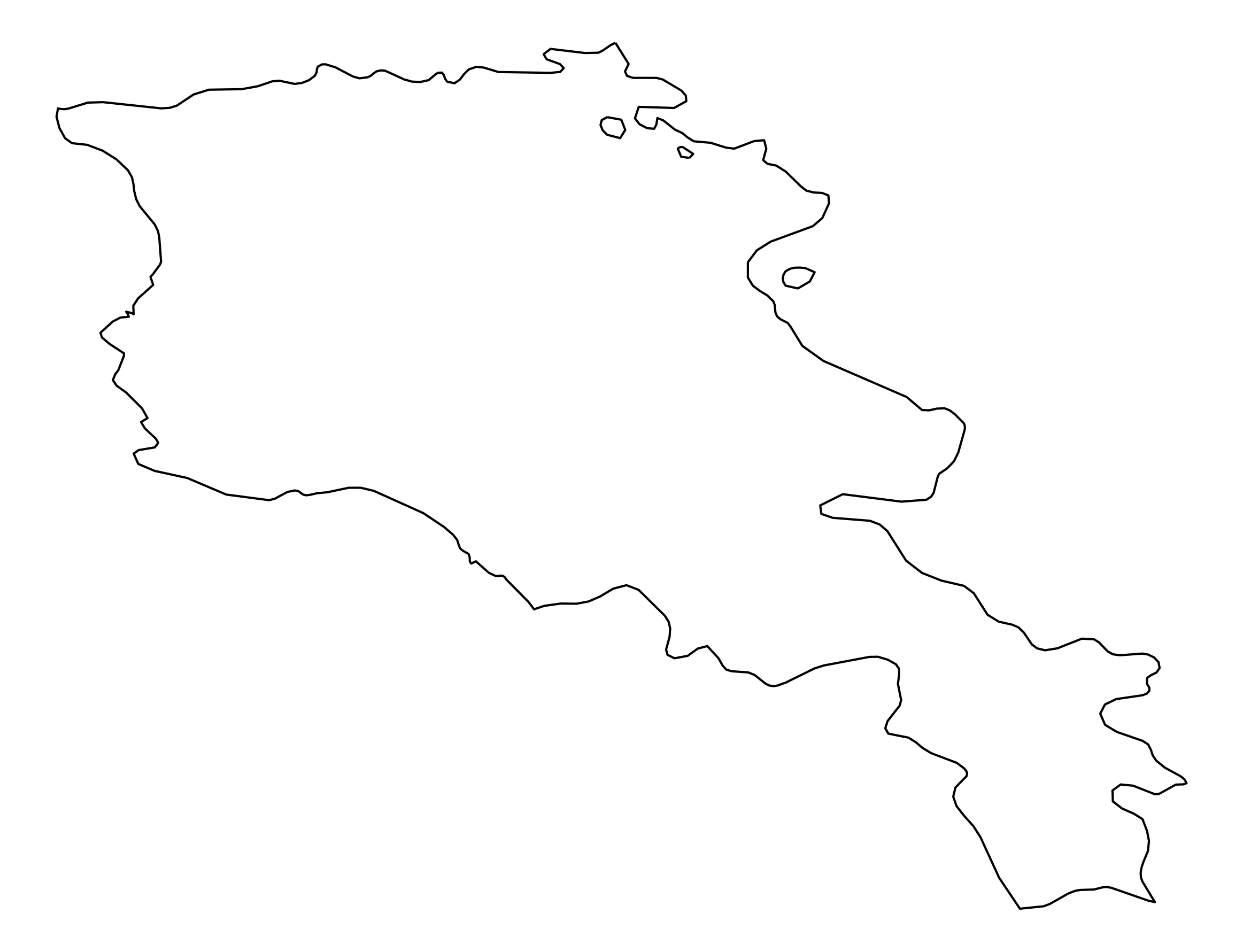
Armenia, a nation rich in history and culture, has recently found itself at a crossroads due to significant political and social changes. The country, located in the South Caucasus region, is crucial for regional stability and has been increasingly under the global spotlight due to its evolving political dynamics and ongoing issues with neighboring countries, particularly Azerbaijan. Understanding these developments is essential for grasping the complex web of geopolitics and domestic challenges that Armenia faces.
Political Landscape
In recent months, Armenia has been grappling with a political crisis following the fallout from the 2020 Nagorno-Karabakh war. The government, led by Prime Minister Nikol Pashinyan, has faced public discontent due to its handling of the conflict and subsequent territorial losses. Protests and calls for political reforms have surged, highlighting deep divisions within Armenian society. The political atmosphere has been charged, with opposition leaders demanding accountability and change.
Geopolitical Tensions
Relations with Azerbaijan remain tense, particularly regarding the disputed Nagorno-Karabakh region. Although a ceasefire was brokered by Russia in November 2020, skirmishes continue to occur along the borders, signaling that lasting peace is still a distant goal. Recently, there have been reports of increased military activity on both sides, prompting concerns from international observers about potential escalation. Additionally, Armenia’s historical ties with Russia are being tested, as the Kremlin’s response to the unfolding situation has been perceived as lukewarm, leaving some Armenians feeling isolated.
Social and Economic Developments
Amid these political and military challenges, Armenia’s economy is slowly recovering from the impacts of the COVID-19 pandemic and the war. The government has initiated various economic reforms aimed at stimulating growth, attracting foreign investment, and enhancing infrastructure. However, issues like unemployment and emigration continue to pose significant challenges for the population. The youth demographic, in particular, is increasingly active in advocating for reform and a brighter future, demanding a voice in shaping their country’s trajectory.
Conclusion
Armenia stands at a pivotal moment in its history, with political, economic, and social factors intertwining to shape its future. As the nation seeks to navigate internal discord and external pressures, the support of the international community and a commitment to reforms will be vital for achieving lasting stability. For observers and stakeholders, keeping an eye on these developments is essential, as the outcomes could have significant implications not only for Armenia but for the entire South Caucasus region.