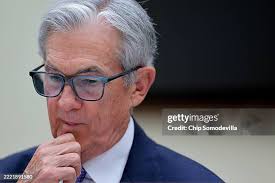
The Importance of the Federal Reserve
The Federal Reserve, often referred to as the Fed, plays a crucial role in the U.S. economy as the central bank. Established in 1913, it manages the country’s monetary policy, supervises and regulates banks, maintains financial stability, and provides financial services. As inflation rates and economic growth remain focal points, the actions of the Fed are increasingly vital to the health of both the national and global economies.
Current Developments
As of late 2023, the Federal Reserve has been closely monitoring inflation, which has remained above its target rate of 2%. In response, the Fed’s Federal Open Market Committee (FOMC) has engaged in a series of interest rate hikes, with a notable increase of 25 basis points during its meeting in September 2023. This decision was largely driven by persistent inflationary pressures and a robust job market, with employment levels nearing pre-pandemic rates.
Economists have mixed forecasts regarding the efficacy of the Fed’s policy changes. Some analysts believe that the current rate hikes will help curb inflation, reducing risk for consumers and investors in the long run. However, others warn that overly aggressive tightening could lead to an economic slowdown or even a recession.
The Impact of Fed Actions
The Fed’s interest rate decisions have significant implications for various sectors including housing, consumer borrowing, and business investments. As the cost of borrowing increases, both consumers and businesses may reconsider their spending and investment strategies. The housing market, in particular, has shown signs of cooling in recent months, as mortgage rates climb, leading to decreased affordability.
Stocks and bonds are also influenced by Fed policies. When interest rates rise, bond yields typically increase, which can lead to declines in stock prices as investors reassess risk. Recent volatility in the stock market serves as a reminder of the interconnectedness of monetary policy and market sentiment.
Looking Ahead
Looking forward, the Federal Reserve faces the challenge of balancing inflation control with the need for economic growth. Analysts anticipate a cautious approach moving into 2024, with the Fed expected to evaluate future rate hikes based on upcoming economic data, inflation trends, and global financial developments.
In conclusion, the actions of the Federal Reserve are increasingly pivotal in shaping the economic landscape. As consumers, investors, and policymakers await further signals from the Fed, it is essential to stay informed about their decisions and the broader implications they hold for the economy.