Introduction
In recent weeks, numerous users worldwide have reported intermittent outages on YouTube, raising concerns about the platform’s reliability. YouTube, one of the most popular online video-sharing services, has become an integral part of daily life for millions of users, offering entertainment, education, and news. Understanding the nature of these outages, why they occur, and their implications is essential for both content creators and viewers.
What Happened During the Outages
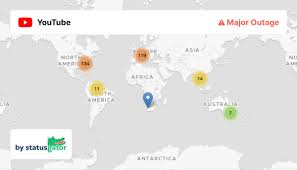
On October 19, 2023, users began experiencing difficulties accessing YouTube, resulting in slowdown and total blackouts for many. Reports flooded social media platforms, with users noting issues in various regions, including North America, Europe, and parts of Asia. The official YouTube Twitter account acknowledged the situation, affirming they were investigating the problem.
According to data from DownDetector, a popular online outage tracking service, more than 30,000 users logged reports on the site within a few hours of the initial disruption. The issues ranged from buffering videos, problems logging in, and error messages indicating that the service was unavailable.
The Causes Behind the Outages
Experts suggest that outages can stem from multiple factors, including server maintenance, software updates, and unexpected spikes in online traffic. During peak usage times, a sudden increase in demand can strain infrastructure and lead to outages. In YouTube’s case, maintenance is often crucial to improve system performance, but it can unintentionally lead to temporary downtimes.
Additionally, cyber threats, such as Distributed Denial of Service (DDoS) attacks, can also contribute to service instability. Such attacks overwhelm servers with traffic, causing service disruptions. Although it has not been confirmed that any such attack was responsible for the October outages, it remains a concern for major online platforms.
Impact on Users and Content Creators
The outages have prompted significant disruption for content creators who rely on YouTube as a primary revenue source. Many influencers and businesses engaged in live streams faced cancellations or had to reschedule events, resulting in potential revenue losses and audience dissatisfaction. Additionally, businesses that utilize YouTube for marketing purposes experienced setbacks in their outreach efforts.
Conclusion
As YouTube continues to dominate the digital landscape for video content, outages pose a serious concern for both users and creators alike. Understanding the reasons behind these disruptions can help mitigate future impacts. While YouTube’s technical teams are constantly working to enhance reliability, the internet’s growing user base presents an ongoing challenge to maintain seamless service. Looking forward, users may experience fluctuations in service as the platform implements updates and enhancements to better serve its vast community.