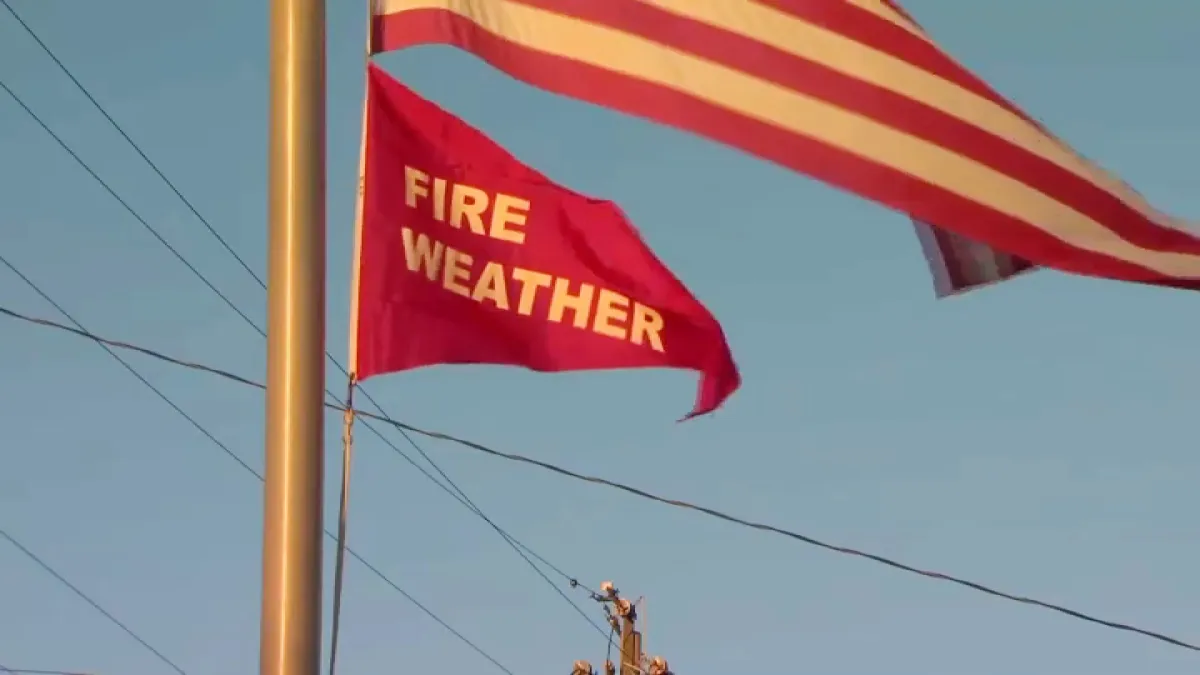
Introduction to Red Flag Fire Weather Warnings
A Red Flag Fire Weather Warning is a critical alert issued by national meteorological agencies to inform the public and fire management authorities of elevated fire risk due to specific weather conditions. These conditions can lead to increased fire activity and rapid spread of wildfires, posing significant threats to life, property, and natural resources. With the frequency and intensity of wildfires rising globally, understanding these warnings has become essential for communities, especially in wildfire-prone regions.
What Triggers a Red Flag Warning?
Red Flag Warnings are typically issued when a combination of high winds, low humidity, and dry conditions create a perfect storm for fire ignition and spread. For instance, the National Weather Service (NWS) indicates a warning may be declared when relative humidity is below 15% and sustained winds exceed 20 mph, with dry vegetation existing in the area. In recent months, parts of California and the Southwest United States have experienced numerous such warnings, leading to increased readiness among firefighting teams and local authorities.
Current Events and Impact
As of October 2023, several areas across the western United States have been under Red Flag warnings, especially during dry and windy conditions that have followed a late summer heat wave. The California Department of Forestry and Fire Protection (Cal Fire) reported that recent wildfires, intensified by these warnings, have prompted evacuations and air quality concerns. Firefighting resources have been stretched thin due to multiple fire incidents occurring simultaneously, highlighting the necessity for close monitoring and public awareness following these alerts.
Importance of Public Awareness
When a Red Flag warning is issued, it is crucial for residents to take precautions, such as refraining from outdoor burning and reporting any signs of fire. Communities are encouraged to develop emergency plans and stay informed through local news and weather updates. The significance of these warnings cannot be overstated, as they save lives and allow for timely responses from firefighting personnel.
Conclusion: Looking Ahead
With climate change contributing to longer fire seasons, the likelihood and frequency of Red Flag Fire Weather Warnings are anticipated to increase in the coming years. It is essential for individuals and communities to remain vigilant, understand the implications of these warnings, and adhere to any recommended safety protocols. As wildfire threats evolve, proactive measures and heightened awareness could play a pivotal role in safeguarding both lives and property.