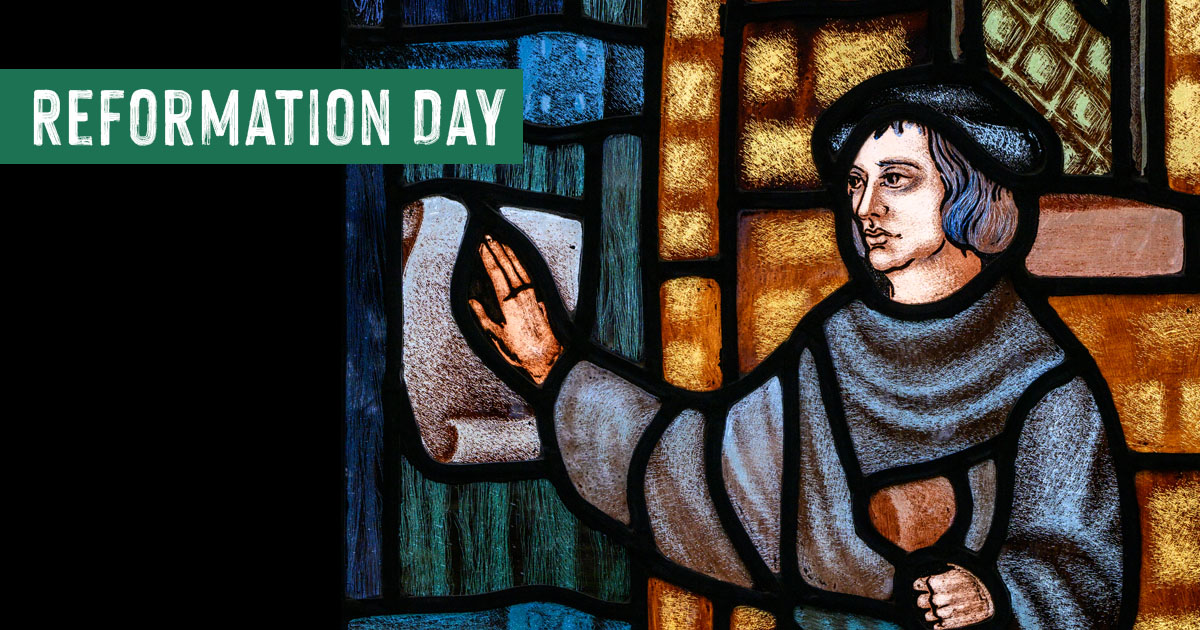
Introduction to Reformation Day
Reformation Day is observed annually on October 31st, commemorating the start of the Protestant Reformation in the 16th century. This pivotal moment in history marked a significant shift in religious practices, beliefs, and institutions in Europe and subsequently across the world. Understanding Reformation Day is essential as it highlights the thematic foundation of religious reform and the ongoing influence of the Reformation on modern Christianity and society.
Historical Context
The Reformation is traditionally said to have begun when Martin Luther, a German monk, famously nailed his Ninety-Five Theses to the door of the Castle Church in Wittenberg in 1517. Luther’s theses challenged the Catholic Church’s practices, particularly the sale of indulgences, and called for a return to biblical principles. Luther’s actions sparked a wave of reform across Europe, culminating in the emergence of various Protestant denominations.
Throughout the 16th century, other notable reformers, such as John Calvin and Huldrych Zwingli, contributed to the movements in their regions, further catalyzing religious transformation. The resulting schism led to significant political and social changes, as state and church relations were redefined and consumer culture began to influence spiritual practices.
Modern Observance of Reformation Day
Today, Reformation Day is observed by many Protestant denominations, with various activities ranging from church services to educational events aimed at discussing the implications of the Reformation in contemporary faith practice. Churches may hold special worship services that focus on the themes of grace, faith, and scripture central to the reformers’ message.
In recent years, Reformation Day has also become an opportunity for ecumenical dialogue, fostering conversations among differing Christian traditions about unity and diversity of beliefs. Various denominations and communities utilize this day to reflect upon their historical roots and the necessity for reconciliation and cooperative efforts in advancing faith in the modern context.
Conclusion
Reformation Day thus stands as a robust reminder of the impact of the Reformation on present-day society and the church. It encourages reflection on the necessity for reform and renewal in faith communities, as well as the ways in which historical events shape modern belief systems. As current conversations continue to evolve, the relevance of Reformation Day emphasizes a commitment to understanding history while influencing a hopeful and cooperative future for diverse religious practices.