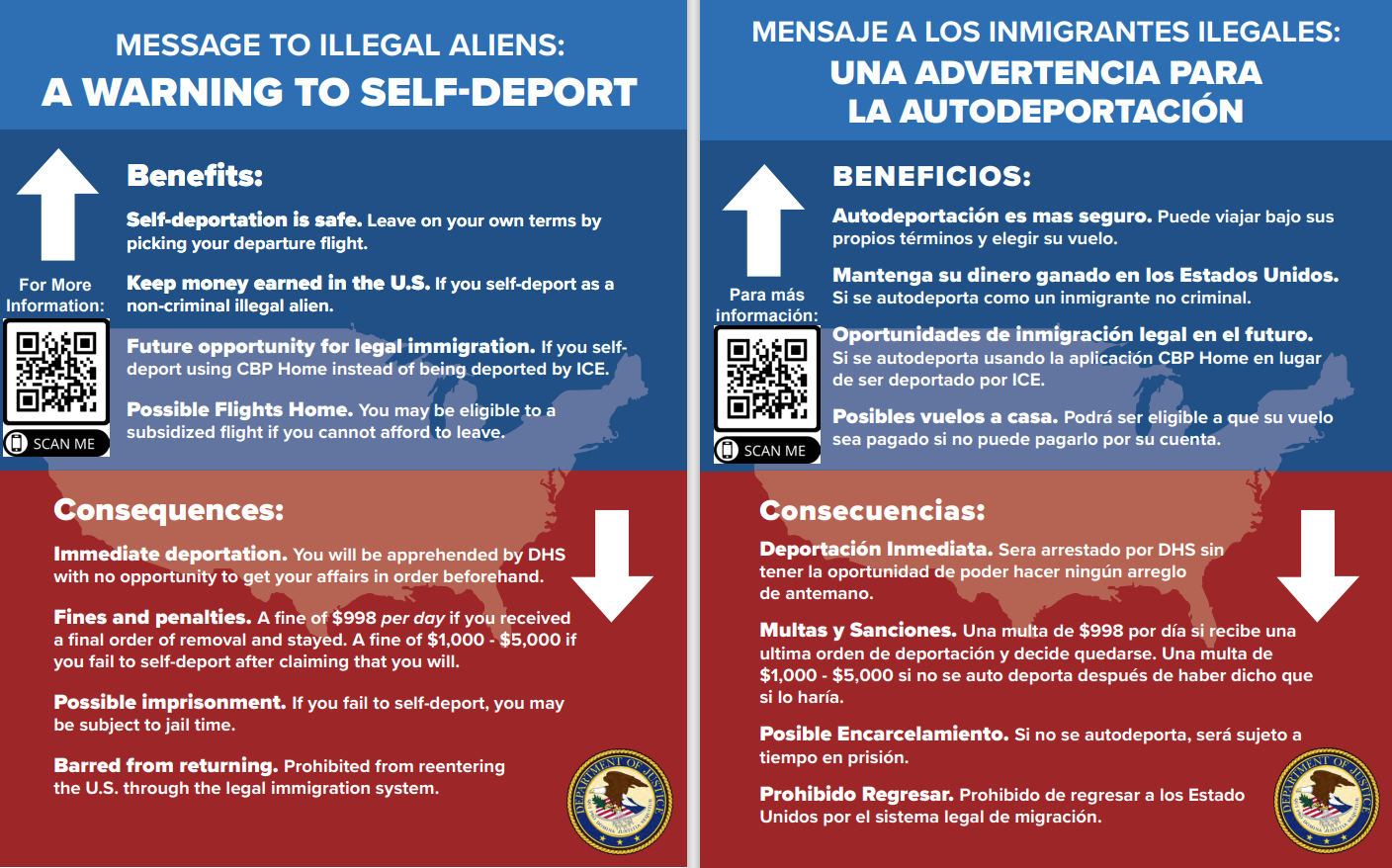
Introduction: The Importance of Self Deportation
Self deportation is increasingly becoming a significant phenomenon in the immigration landscape of the United States. It refers to the process where undocumented individuals voluntarily return to their home countries—often due to fear of deportation, changing immigration policies, or worsening living conditions in the U.S. This topic holds considerable relevance in today’s socio-political climate, as it affects numerous families and individuals navigating their rights and safety.
The Growing Trend of Self Deportation
Recent data from the Pew Research Center indicates a notable increase in self deportation among undocumented immigrants over the past decade. In 2020, nearly half a million undocumented migrants self-deported, a stark contrast to previous years where numbers remained consistent. Advocates suggest that this trend is closely linked to the tightening of immigration laws and a heightened atmosphere of fear following increases in deportation raids and enforcement.
Key Factors Influencing Self Deportation
Several critical factors drive the choice of self deportation among undocumented immigrants:
- Immigration Policy Changes: The shift toward stricter immigration policies under recent administrations has left many undocumented individuals feeling vulnerable and unsafe. With frequent changes to DACA and other protective measures, many opt for self deportation as a means of security.
- Fear of Separation: Many individuals, particularly those with families, fear the repercussions of potential deportation. The separation from children who may be U.S. citizens or legal residents spurs families to consider self deportation to avoid such scenarios.
- Economic Considerations: Ongoing economic challenges, especially in the wake of the COVID-19 pandemic, have made sustaining livelihoods difficult for many undocumented immigrants, prompting them to return to their home countries where family support systems may be more robust.
Implications for Communities and Policy
The trend of self deportation has far-reaching implications for both immigrant communities and U.S. immigration policy. Communities may face a labor shortage, particularly in industries heavily reliant on undocumented workers, such as agriculture and hospitality. Furthermore, the phenomenon emphasizes the need for more humane immigration policies that consider the well-being of those impacted.
Conclusion: The Significance of Self Deportation
As self deportation continues to rise, it reflects the ongoing struggles faced by undocumented individuals in the U.S. This issue is not only crucial from an immigration standpoint but also highlights the personal human aspect of policy decisions. Moving forward, it remains essential for policymakers to address the challenges that lead to self deportation and to consider comprehensive reforms that support immigrant communities in achieving stability and security.