Introduction
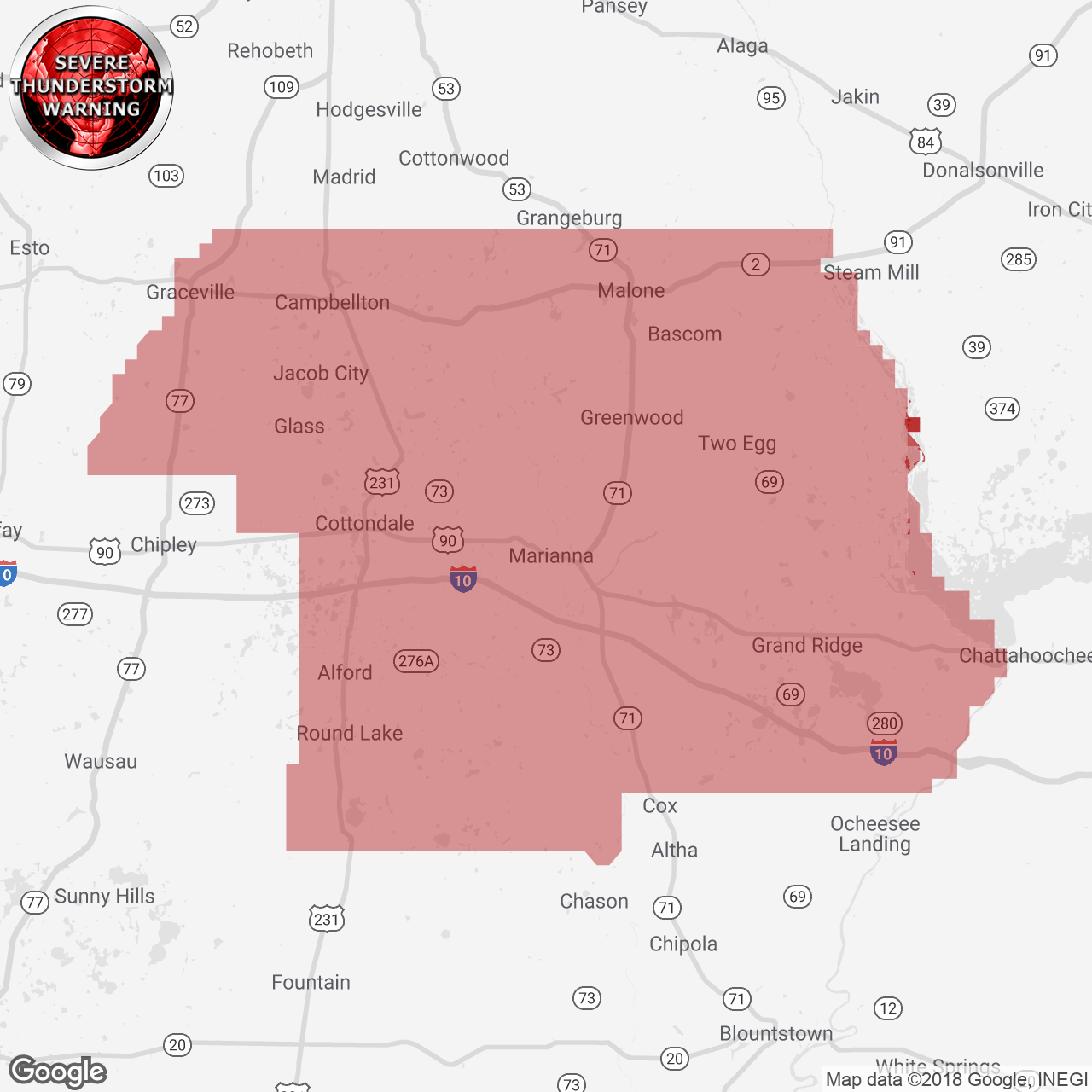
Severe thunderstorm warnings are critical alerts issued when weather conditions are favorable for the development of dangerous thunderstorms. These warnings are vital for keeping communities safe from potential hazards such as heavy rainfall, damaging winds, hail, and even tornadoes. Understanding the nature of these warnings can help individuals and families prepare and respond effectively to severe weather.
The Nature of Severe Thunderstorm Warnings
As of October 2023, the National Weather Service (NWS) has issued numerous severe thunderstorm warnings across the United States due to a series of weather systems affecting various regions. These warnings are typically issued based on radar data and reports from storm spotters and can indicate the possibility of winds exceeding 58 miles per hour, hail larger than one inch, or other life-threatening conditions.
For instance, in late September, the Midwest experienced a surge of thunderstorm activity that prompted numerous warnings, resulting in localized flooding and damage to property. Meteorologists have reported an increase in severe weather incidents during this time of year, emphasizing the importance of maintaining awareness of ongoing weather conditions.
How to Respond to Severe Thunderstorm Warnings
When a severe thunderstorm warning is issued, it is crucial to take immediate action. Here are some key steps to consider:
- Stay informed: Monitor local news channels, weather apps, or the NWS website for updates.
- Seek shelter: Move to a sturdy building or an indoor space away from windows to protect against debris and hail.
- Prepare supplies: Keep an emergency kit filled with essentials such as water, non-perishable food, flashlights, and a first-aid kit.
- Have a plan: Discuss emergency plans with family members, ensuring that everyone knows what to do in case of severe weather.
Conclusion
Severe thunderstorm warnings are a key component in protecting lives and property during hazardous weather events. By staying informed and taking appropriate precautions, individuals can minimize risks associated with storms. As climate patterns evolve, it is likely that the frequency and severity of such weather events will continue to rise, making awareness and preparedness more crucial than ever for communities across the nation.