Introduction to Sling TV
Sling TV has emerged as a prominent player in the world of cord-cutting, providing viewers with an affordable alternative to traditional cable television. Launched in 2015 by DISH Network, Sling TV has quickly attracted millions of subscribers seeking flexibility, diverse programming options, and cost savings. With the surge in demand for online streaming services, understanding what Sling TV offers and how it has adapted over the years is crucial for informed viewing choices.
Key Features of Sling TV
Sling TV operates on a simple premise: offering live TV streaming without the hefty price tag of traditional cable. Users can select from various subscription packages, starting as low as $40 per month. Sling Orange and Sling Blue are the two primary options, which can be combined for an additional fee. Each package offers access to a range of channels, including popular networks like ESPN, AMC, CNN, and HGTV.
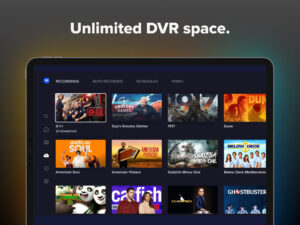
In addition to live television, Sling TV provides users with on-demand content and features such as cloud DVR, enabling viewers to record shows and watch them later. The platform is accessible on multiple devices, including smart TVs, gaming consoles, smartphones, and tablets, making it a versatile option for entertainment.
Recent Developments and Events
In recent years, Sling TV has made strides to enhance its service. In 2023, it launched improved streaming quality capabilities, offering 4K streaming for certain live events, which caters to the growing demand for high-definition content. Furthermore, Sling TV has expanded its channel offerings and introduced new features like a user-friendly interface and enhanced search functionalities to improve the viewing experience.
Another notable development is the integration of major sports channels, which has attracted a sports-centric audience. With the recent partnerships and exclusive programming deals, Sling TV is positioned to become a go-to streaming service for sports fans.
Conclusion and Future Outlook
Sling TV’s growth in the streaming market reflects the broader trend of people shifting away from traditional cable toward more flexible, affordable viewing options. As the demand for diverse entertainment continues to rise, Sling TV seems well-prepared to adapt by expanding its offerings and improving its technology.
For consumers, Sling TV represents a viable option for live TV and on-demand content without the traditional constraints of cable contracts. As competition among streaming services intensifies, Sling TV’s ability to innovate and meet viewer needs will likely play a significant role in shaping its future. Looking ahead, consumers can expect more features, enhanced programming, and potentially more competitive pricing, solidifying Sling TV’s position in the ever-evolving landscape of media consumption.