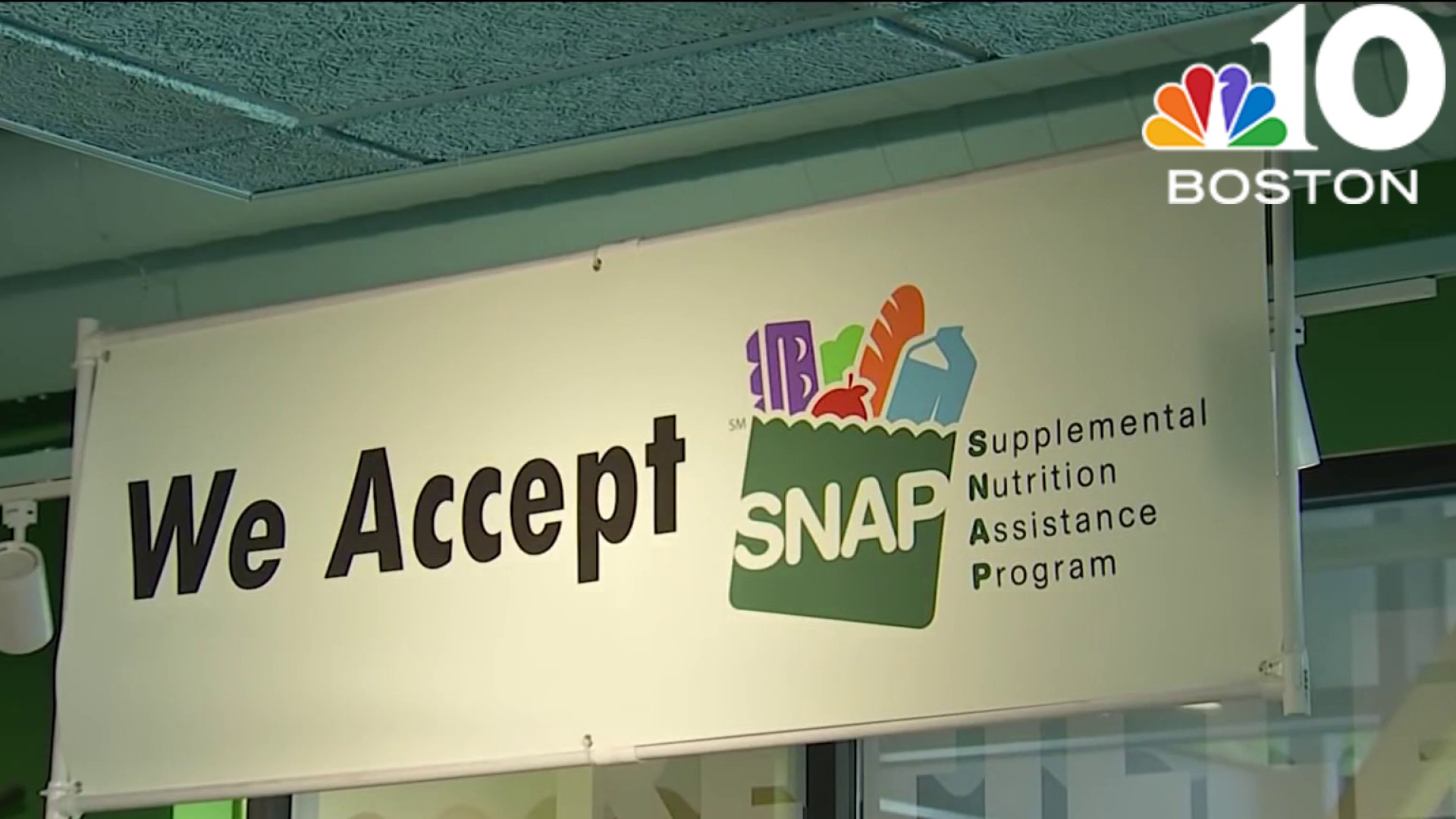
Introduction to SNAP Benefits
The Supplemental Nutrition Assistance Program (SNAP), previously known as food stamps, plays a crucial role in helping low-income individuals and families across the United States access nutritious food. This program is a vital safety net that not only addresses food insecurity but also stimulates local economies through increased grocery spending. With recent changes and adjustments due to economic factors and the ongoing impacts of the COVID-19 pandemic, understanding SNAP benefits is more important than ever.
Current Status and Changes
As of October 2023, SNAP benefits have been significantly affected by inflation and rising food costs. According to the U.S. Department of Agriculture (USDA), the average monthly benefit per person is estimated to be around $200, which has been a critical support for millions during these challenging economic times. In response to rising prices, the USDA has announced temporary emergency allotments aimed at providing additional aid to SNAP recipients, thereby helping to alleviate some of the financial burden brought on by increased food costs.
Eligibility and Application Process
Eligibility for SNAP benefits varies by state, but generally, applicants must meet income guidelines based on household size. As of 2023, the gross monthly income limit for a family of four is about $3,000. Applicants can apply for benefits online or at local offices, and most states have streamlined their processes to be more accessible. It’s essential for potential beneficiaries to stay informed about their state’s specific eligibility criteria and application guidelines.
Impact of SNAP on Communities
Studies have shown that SNAP benefits significantly reduce food insecurity among vulnerable populations. According to research by the Center on Budget and Policy Priorities, households that receive SNAP benefits are less likely to experience hunger compared to those who do not. Furthermore, every $1 in SNAP benefits has been linked to an increase in economic activity of $1.70. This economic boost is especially important in local grocery stores and food markets, helping them thrive even in tough economic conditions.
Conclusion
The SNAP program remains a critical element of the U.S. economic safety net, especially during times of financial uncertainty. As food prices continue to fluctuate and economic challenges loom, the significance of SNAP benefits cannot be overstated. For many families, these benefits not only provide essential food support but also create a pathway towards greater financial stability. Moving forward, continued advocacy for SNAP funding and accessibility is crucial to ensure that this lifeline remains intact for those in need.