Introduction
As winter approaches, snow accumulation maps have become essential tools for meteorologists, outdoor enthusiasts, and residents in snow-prone areas. These maps provide critical information about expected snowfall, helping people make informed decisions about travel, outdoor activities, and safety measures. With the increasing unpredictability of weather patterns, understanding snow accumulation maps is more relevant than ever.
What is a Snow Accumulation Map?
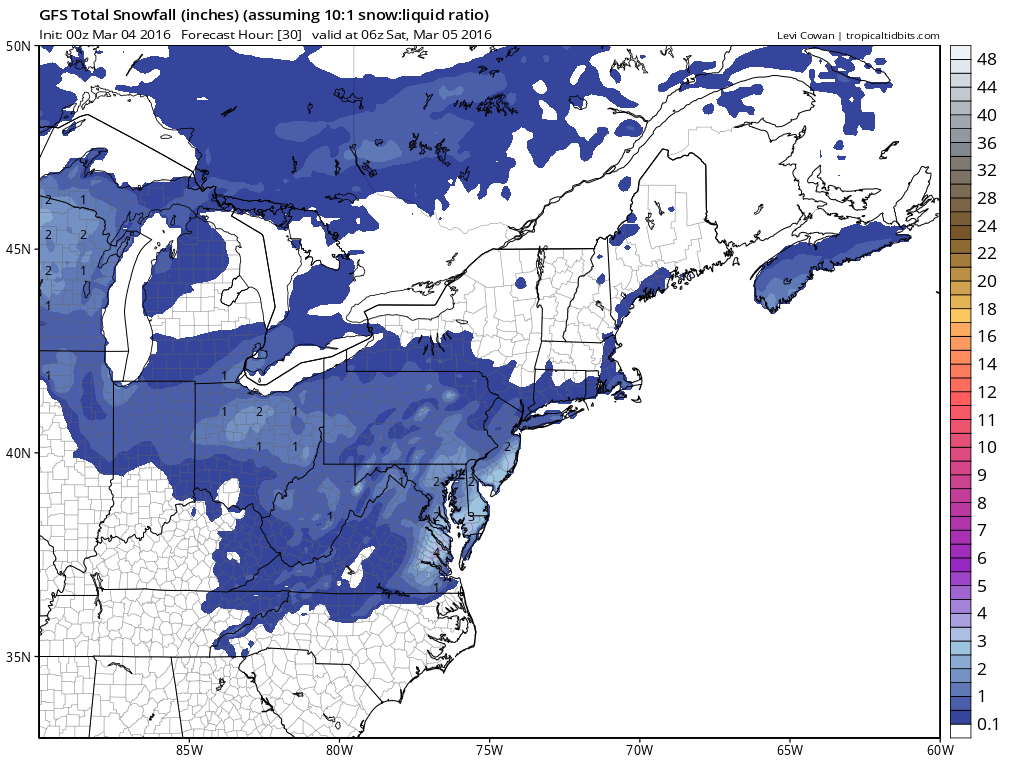
A snow accumulation map visually represents the amount of snow expected to fall in a given area over a specific period. These maps are produced using advanced meteorological models that take into account temperature, precipitation, and atmospheric conditions. They are frequently updated to reflect changing weather predictions, making them valuable for planning purposes.
Recent Developments
As of November 2023, the National Weather Service (NWS) has released preliminary snow accumulation maps for the upcoming winter season. Areas in the Northeast and Midwest are projected to receive higher-than-average snowfall due to changing climatic conditions. For instance, regions like the Appalachian Mountains and parts of the Great Lakes are expected to see significant snow totals, with estimates ranging from 6 to 12 inches over the next storm cycle.
In addition to traditional snow accumulation maps, the use of mobile apps and online platforms has surged. Tools like NOAA’s weather alerts and private weather services provide real-time updates and interactive features, allowing users to zoom in on their specific locations. This trend highlights the increasing importance of technology in accessing timely weather information.
Importance for Daily Life
For travelers, understanding snow accumulation maps can significantly affect travel plans. With major airlines often adjusting flight schedules due to adverse weather conditions, having a good grasp of expected snowfall can save time and hassle. Furthermore, local governments utilize these maps to prepare snow removal services and issue travel advisories, which keep residents informed and safe.
Conclusion
Snow accumulation maps are invaluable resources that aid in winter weather preparedness. As we continue into the winter season, these maps will help inform decisions on travel, outdoor activities, and community safety. With the advancements in technology and meteorological forecasting, staying updated on snow conditions is now easier than ever, allowing individuals and communities to respond effectively to winter’s challenges. As forecasts evolve, communities are urged to remain proactive and prepared, leveraging these tools to ensure safety and minimize disruptions.