Introduction
Stimulus checks, also known as economic impact payments, have become a crucial topic in recent years, especially amid economic uncertainties and the fallout from the COVID-19 pandemic. These payments, organized by the government to provide financial relief for individuals and families, are significant as they can aid in economic recovery and stability. As discussions continue regarding future payments, understanding the implications and benefits of stimulus checks is essential for all Americans.
The Covid-19 Response
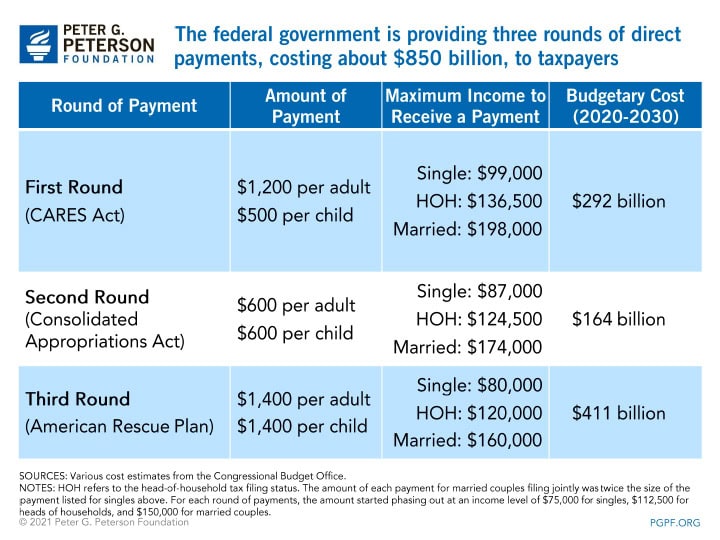
In response to the COVID-19 pandemic, the U.S. government issued several rounds of stimulus checks to assist struggling Americans affected by lockdowns and economic downturns. The first round came in March 2020 through the CARES Act, providing $1,200 to eligible adults and $500 per child. Following this, additional payments of $600 and $1,400 were rolled out in late 2020 and early 2021, respectively. These funds were critical in helping families cover basic needs such as rent, groceries, and utilities during shutdowns.
Impact on Economy
Economists have observed that stimulus checks significantly boosted consumer spending during times of economic distress, thereby stimulating localized economies. A report by the U.S. Department of Commerce indicated that these checks contributed to a notable increase in consumer spending despite broader economic challenges. Many recipients used the funds not only for immediate needs but also for savings and debt repayment, contributing to long-term financial stability for some households.
Current Discussions and Future Payments
As discussions evolve around the potential for additional stimulus payments, particularly in light of rising inflation, the public remains divided over the long-term efficacy of these measures. Some lawmakers advocate for continued payments as a social safety net, while others urge for fiscal responsibility and concerns over budgetary impacts. In 2023, proposals for a new round of stimulus checks or direct payments to low-income families are gaining traction, signaling ongoing public and political interest in direct financial support.
Conclusion
Stimulus checks represent a significant governmental response to economic challenges faced by citizens, particularly during crises like the COVID-19 pandemic. As policymakers continue to debate their future, understanding the previous implementations and their impacts on the economy helps inform the broader discussion. Whether or not future stimulus checks materialize, the importance of these payments as a form of economic relief remains a relevant topic for many American families navigating financial instability.