Introduction to Stock Futures
Stock futures are financial contracts that obligate the buyer to purchase, and the seller to sell, a specific quantity of a stock at a predetermined price on a specific future date. They are crucial for investors and traders as they offer a way to hedge against market risks and speculate on future price movements. Recently, stock futures have captured significant attention due to their fluctuating patterns influenced by various economic indicators.
Current Trends in Stock Futures
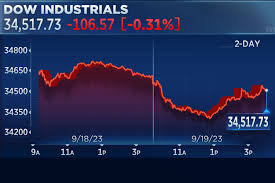
As of October 2023, stock futures have shown notable volatility, primarily influenced by economic data releases, corporate earnings reports, and geopolitical developments. On a typical trading day, futures on major indexes such as the S&P 500, Dow Jones, and NASDAQ can indicate market sentiment ahead of the opening bell. For instance, recent data suggested a mixed bag for the U.S. economy, with unemployment claims rising unexpectedly while consumer spending remained robust. This duality is reflected in the fluctuations of stock futures where insights on inflation persistence play a crucial role.
Recent Events Impacting Stock Futures
In recent weeks, the Federal Reserve’s stance on interest rates has been a major catalyst affecting stock futures. Following the latest FOMC meeting, where policymakers hinted at maintaining current rates, futures for the major stock indexes reacted positively, suggesting trader confidence in sustained economic growth. Furthermore, corporate earnings from key technology firms have shown resilience, bolstering stock futures amid concerns over a slowing economy. For example, leading tech companies have reported better-than-expected profits, pushing the Nasdaq futures upward.
Looking Ahead: Forecasts for Stock Futures
Market analysts anticipate that stock futures will remain a vital tool for navigating the stock market landscape, especially as more earnings reports are set to be released in the coming weeks. Investors should monitor upcoming economic indicators, including inflation data and employment reports, which could sway stock futures significantly. Additionally, potential developments in international trade agreements may also influence market behavior.
Conclusion
Stock futures serve as an essential mechanism for investors seeking to anticipate market trends and protect their portfolios. With the current economic environment showing signs of unpredictability, staying connected with stock futures’ movements is key for traders and portfolio managers alike. Their significance is pronounced, not just in forecasting stock performance but in understanding broader market dynamics. Investors should remain vigilant in monitoring these indicators, as they continue to shape the investment landscape.